
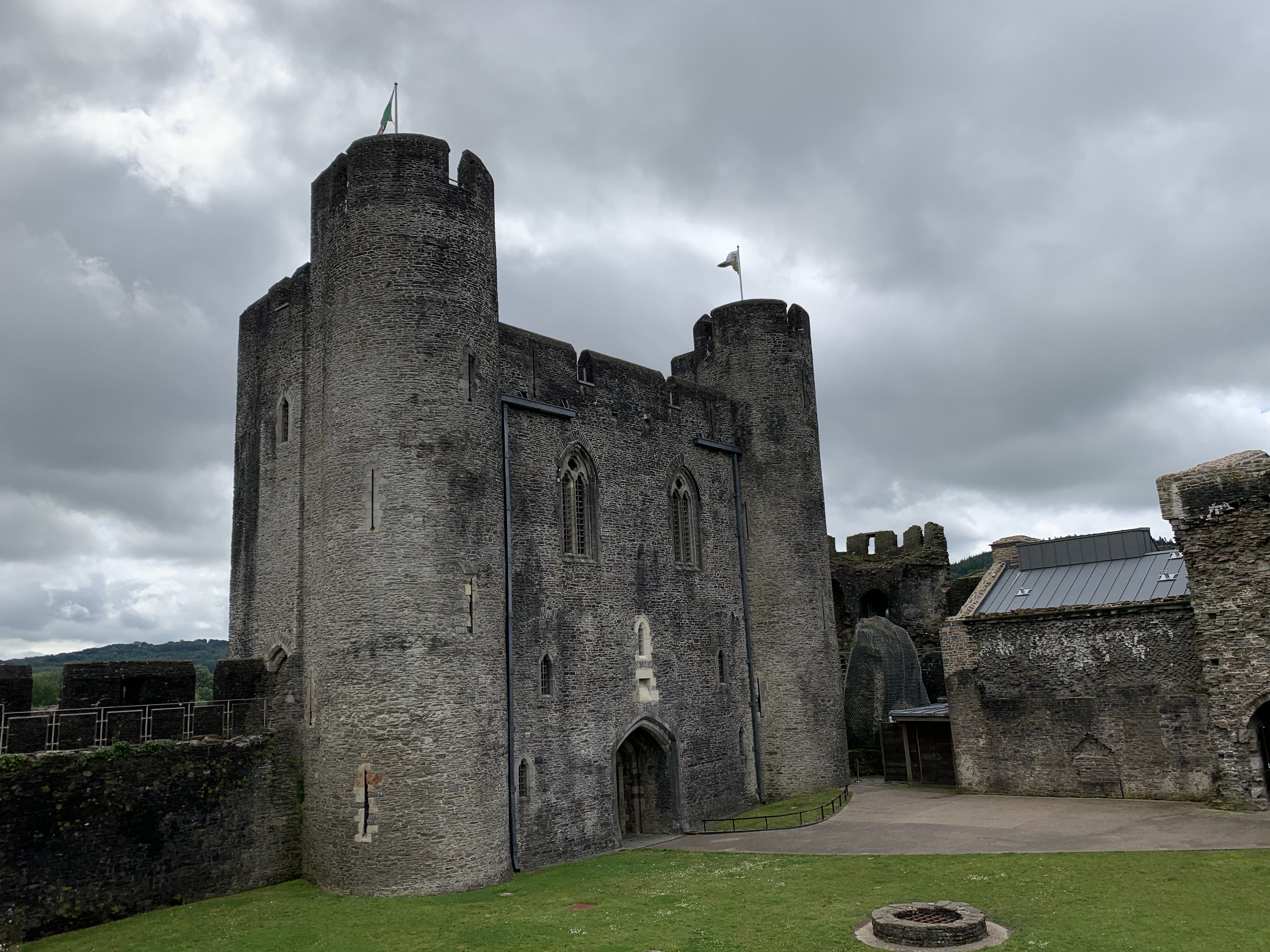
[Photo caption: Hmm, this is Rome, not Venice.]
So you want to write a medievalist epic fantasy with a plot and subplots involving warfare, riots, assassinations, political intrigue, and power struggles between leaders, oligarchs, and citizens, yes?
You should add a few histories of Venice to your reading list. Thomas F. Madden’s Venice: A New History, Roger Crowley’s City of Fortune: How Venice Rules the Seas, and John Julius Norwich’s A History of Venice are all good choices. Any of these books will improve your understanding of one way to keep oligarchs and populists somewhat unified and pointed toward common goals for a thousand years.
If you possess a keen interest in naval warfare or ocean trade, or if you want to dive deeply into the workings of the famous Venetian Arsenal, then Frederic C. Lane’s Venice: A Maritime Republic is an indispensable source. In fact, read anything by Lane that you can get your hands on. His work is jam-packed with useful specific information for any kind of worldbuilding.
Robert C. Davis’s Shipbuilders of the Venetian Arsenal: Workers and Workplace in the Preindustrial City mostly deals with later centuries than the High Middle Ages. But its portrayal of the Arsenal’s community is thorough and interesting.
On a more modern angle, if you live in one of the struggling democracies, you may find stories about how Venice dealt with similar tensions and dilemmas to be fascinating reading. Establishing longevity has always been a difficulty for democratic political enterprises, and Venice, primarily through trial and error, arrived at a complex, idealistic, ruthless, and pragmatic system that made its republic worthy of study.
Venice may not have been the perfect republic, in practice or in theory, but it often was at least competent and, therefore, enduring, two worthy standards to strive toward.
In your reading, you will discover numerous realities about Venice that translate easily into atypical worldbuilding. The Arsenal, for example, maintained a version of a pension system for its elderly workers even though it operated inside the epitome of an oligarchical republic.
Go figure.



Leave a Reply