
A Pensive and Sad Aside: For years now, in my leisure time, I’ve been primarily focused on this writing project, so I miss occurrences and trends in popular culture. I miss developments in niche cultures that used to bring enormous amounts of fun and, sometimes, stress into my life. I honestly did not realize how popular Taylor Swift was becoming until my daughter said that I should listen to the Eras Tour playlist. And, for another example, I only noticed earlier this week that the medieval MMO Gloria Victis no longer had active servers and its developer—Black Eye Games—had ceased operations in October 2023. In other words, I noticed this news a full two years after it happened.
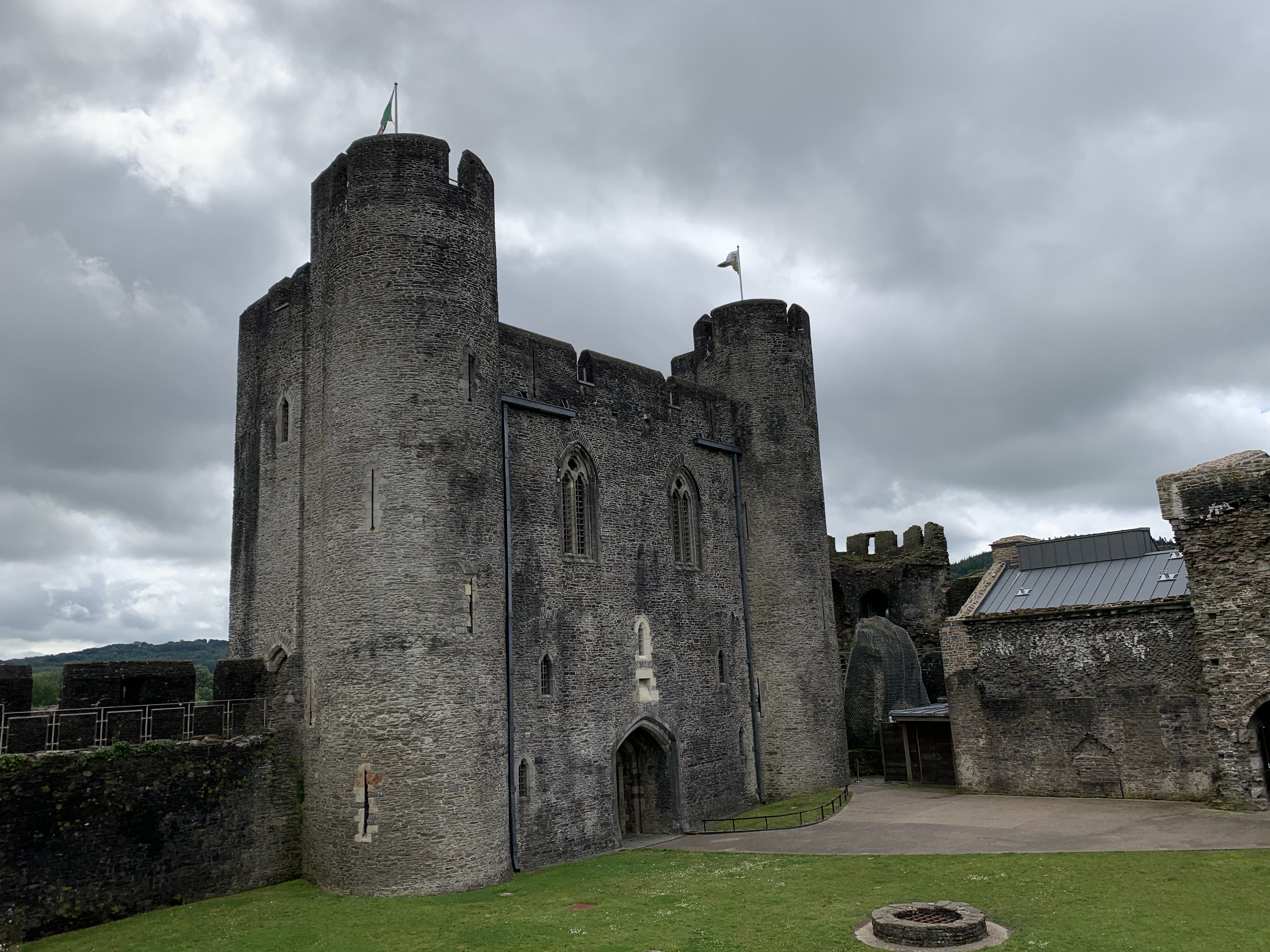
Gloria Victis was a medieval combat game in which groups of warriors fought each other, sometimes over the control of fortresses, castles, and fortified settlements and sometimes in meeting engagements in the open field.
The game was in early access release on Steam as a fully functional experience for at least six years before its official release, and I played it a lot over a three-year period of its maximum server population. I participated in dozens, maybe hundreds, of large fights on the North American, European, and Asian servers, usually playing a heavy footman or an archer.
My memories of massive seventy-five-minute State-of-War fights over castles, the PvP combat payoff for hours of resource mining and long conversations with other guild builders about defensive castle designs (“Nope, this isn’t going to work. We’re vulnerable here. Demo time, again, boys and girls.”), are treasured ones. The satisfaction of an outnumbered victory or a hard-fought conquest at the skill levels that Gloria Victis combat required is hard to convey unless you experienced it. But if you poke around for long enough on YouTube, you still can find some combat videos that give you a taste of the gameplay.
The game, at its prime and even while acknowledging that a portion of the player base could be toxic beyond any shred of decency, was a blast! So long, Gloria Victis! This gamer will miss you.
Of course, I’m probably writing about this game to pull myself out of the deep rabbit hole that medieval coinage dropped me into. So many coins, valuations, weights, and measures, and what about gold and silver mining anyway? Or smelting? Or minting?
Jeannette Graulau’s The Underground Wealth of Nations: On the Capitalist Origins of Silver Mining, A.D. 1150–1450 is the most interesting book on the subject I’ve found so far. But you also can find good chapters on mining in many of the good books on medieval industries and the medieval economy.
Graulau’s central argument is that capitalism started earlier and in a more piecemeal fashion than many economic historians believe or will admit. She argues that a privileging of agriculture due, in part, to beliefs about its virtues and benefits in the formation of democracies led to a blindness toward or an undervaluing of medieval mining corporations.
She includes a figure that presents a simple table of organization for mining corporations operating in the central Alps and Lombardy:
These organizations looked like this: Mining Corporation (16 mining shares) > Shareholders > Chief Engineer > Foremen > Miners, Skilled and unskilled laborers; Ore sorters and washers; and Ore carriers (79).
Smelting, by the way, is a different but close-by industry, and some models for mining corporations integrated smelting into a larger, combined organization (124). If you want to know where a lot of the trees and hillside or low-mountain forests went, look to the charcoal makers and the smelting furnaces. The water and wood consumption for medieval mining was staggering.
I’ll end this post by recommending several other useful and interesting books for medievalist fiction writers (i.e., some of my recent discoveries):
Eric Acheson, A Gentry Community: Leicestershire in the Fifteenth Century, c. 1422–c.1485
Trevor Dean, Land and Power in Late Medieval Ferrara: The Rule of the Este, 1350–1450
Philippe Dollinger, The German Hansa
Charles Phythian-Adams, Desolation of a City: Coventry and the Urban Crisis of the Late Middle Ages


Leave a Reply