
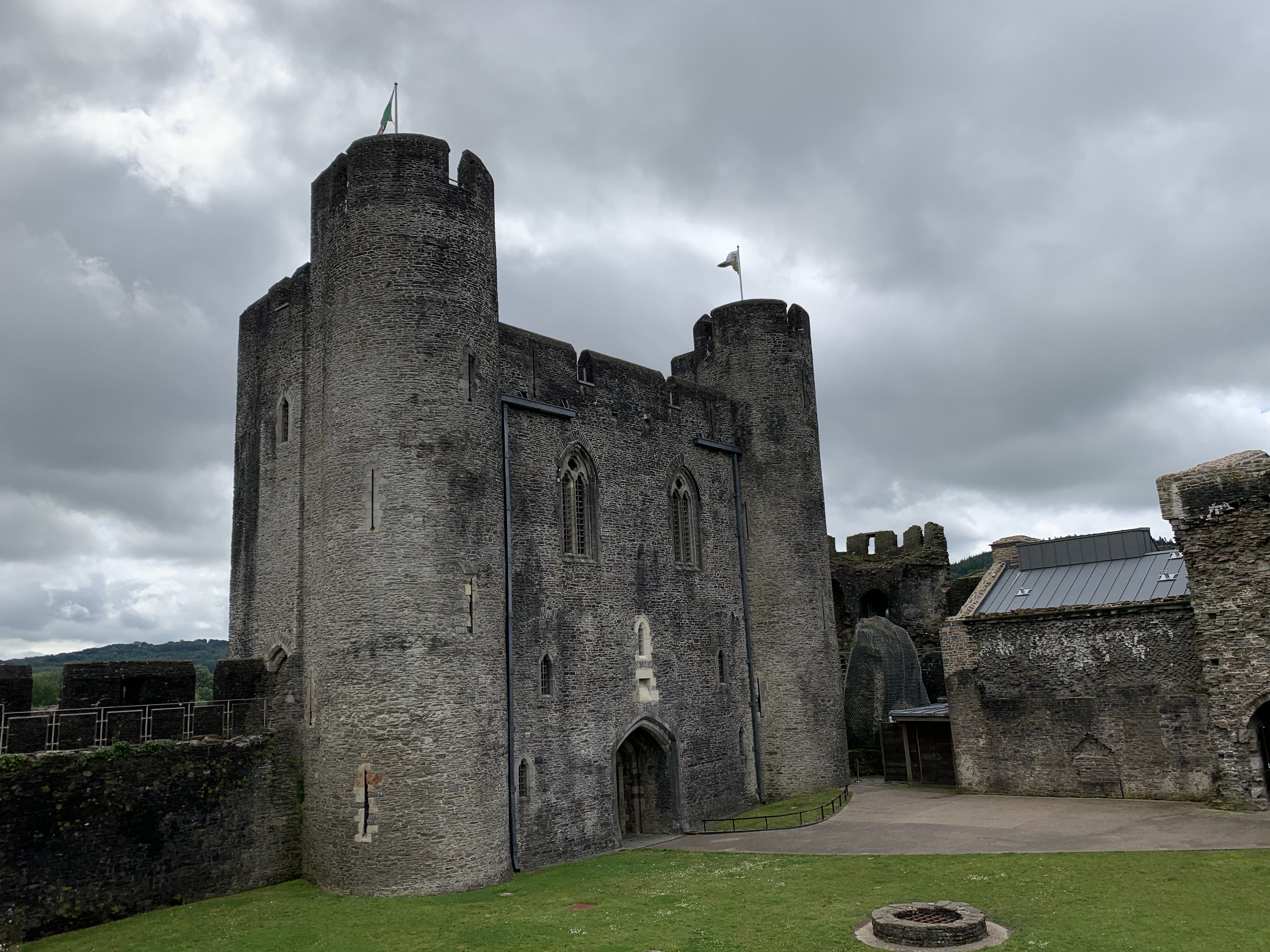
You can easily understand why we pay so much attention to the wealthy and powerful personages in our history. After all, they are the ones who left the awesome castles and gorgeous cathedrals as proof of their existence.
If I’m remembering correctly, I first encountered the phrase “the view from below” in the works of military historians. These particular military historians focused on the experiences of the frontline soldiers rather than the actions of the high-level commanders.
But I encountered another version of the idea in a delightful book by Judith M. Bennett. Entitled A Medieval Life: Cecilia Penifader and the World of English Peasants Before the Plague (2021), the edition is a revised version of a 1998 book intended to serve as an introductory text for college history courses.
Bennett uses a small corpus of sources sharing details about Cecilia Penifader’s life to provide a window into the larger context of the lives of English peasants—in modern terminology, farmers and farm laborers. Bennett’s book is a treasure trove of useful information, illustrations, and photographs for any writer trying to create a realistic medieval or medievalist setting.
In the introduction, Bennett writes, “Most medieval people were not knights, kings, churchmen, or merchants. Most (more than nine out of ten) were peasants who eked out hard livings from the land” (1). She continues with a persuasive argument that ignoring the existence of “small cultivators” not only distorts our understanding of history but also warps our understanding of “our contemporary global economy” (1, 2).
I agree, and in particular, I’m most interested in how a narrowly focused gaze increases our susceptibility to romanticizing absolute power and overestimating the utility of raw power. In other words, such a narrow gaze often underestimates the importance of faith, legitimacy, and trust in the functioning of a civic order.
Even as I’m writing my story, I’m researching these issues. But I’m routinely impressed by the early legal codes, the industriousness of many village populations, and the intricacy of the trade networks. Based on the evidence I’m seeing regarding food alone, some English yeomen likely lived better, healthier existences than many urban factory workers during the Industrial Revolution—at least until the next peasant revolt boiled into a raging conflict.
Yes, the peasants revolted, usually because greedy nobles overreached yet again, and yes, many kings died of the same diseases and illnesses that killed so many peasants at young ages.
Cecilia Penifader died at about forty-six.



Leave a Reply