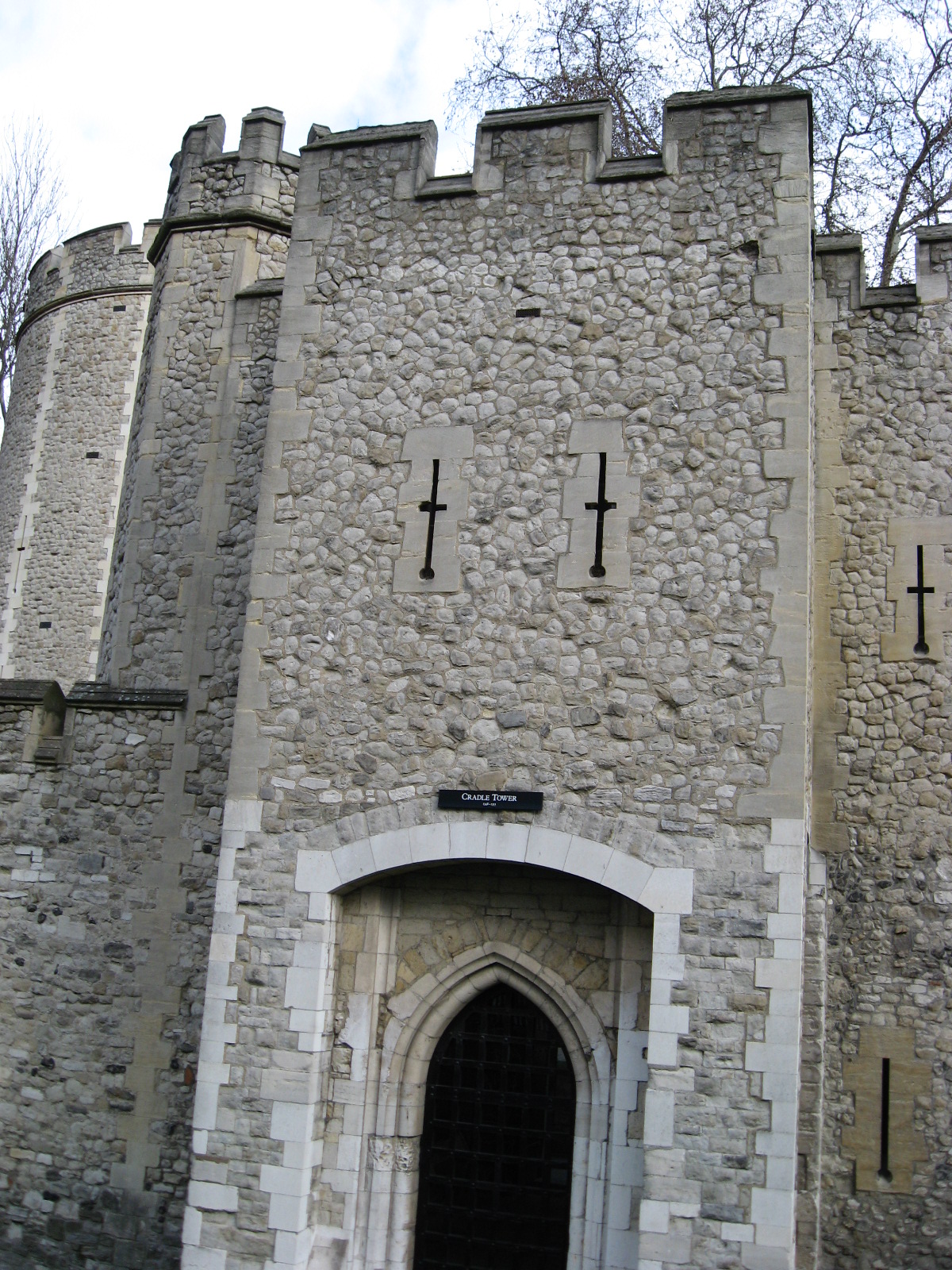
To round out the household, I needed to think about several other major officers and establishments. I envisioned some cooperative push-pull between Duke Aidan, a bastard son of the previous duke, and Duchess Samantha, who is a princess from the kingdom of Khartres. So I left out a few members that a wealthy household might add, such as a goldsmith. But I still required another large contingent.
Add together this group (93), the marshalsea (76), the kitchen staff (56), and the bodyguard or garrison soldiers (103), and you are approximating a complete household. For my family of three nobles (Duke Aidan, Duchess Samantha, and their daughter Sophia), I’m estimating a household of 328. Believe it or not, according to my research, that number is the low end of the range for a sovereign lord.
The household council would consist of the steward, steward’s deputy/spymaster, treasurer, clerk of the offices, chamberlain, sheriff, castellan, captain of foot, and captain of archers.
I haven’t generated names for everyone else yet because I’m not sure how many I will use as characters in book three. I also would need to add some members for a country manor or residence. But here is the rest of the household:
Duke’s personal secretary
Duchess’s personal secretary
Ladies-in-waiting (x4) [Amelia, Isobel, Julia, Teasag]
Erik, steward [formerly of Paradise and from Simon Lezar’s company]
Silver, steward’s deputy for the household [also the current spymaster]
Treasurer
Cofferer
Elizabeth, clerk of the offices (household accounts); basically the controller
Chief buyer
Receiver
Pages (x6)
Messengers (x8)
Phelan, castellan
Gunnar, commander of the Duke’s Lifeguard
Kadeg, captain of foot
Pelion, captain of archers
Knights of the household (x6) [Rotating; Aidan will have 24 knights sworn to his service]
Squires (x12)
Aidan’s Household Guard (Lifeguard)=100 men-at-arms and archers, under the three officers
Ramsey, Chamberlain [from the Kingdom of Khartras; former clerk of the chamber]
Lorenzo, Clerk of the chamber
Physician/healer
Silvio, the duke’s body servant, or valet
Groom of the Robes/Stole
Tailor
Tailor’s assistant
Seamstress
Seamstress’s assistant
Furrier
Furrier’s assistant
Nurses (x2)
Laundress of the chamber
Laundress’s assistant
Laundress of the household
Brother Tremayne, chaplain
Francis, Almoner
Derrick, Clerk-scribe of the chaplaincy
Ignatius, master of the grammar; from the University of Khartras
Friars (x2) [John, Peter]
Master of the hall
Ushers of the hall (x4)
Bard
Musicians (x4)
Court Poet
Errand boys for the lady (x6)
Sheriff
Bailiff of the court
John Shaw, blacksmith
William, the smith’s apprentice
Carpenter
Carpenter’s assistant
Master Gardener
Gardener’s Apprentice
Other People
Visitors–anywhere from a few to twenty or thirty guests per day, depending on the purpose and status of the visitor; a noble with a large retinue would receive some free hospitality and have to pay a fee for most others in their party; some visitors are paid as entertainers; some pay fees to stay.
The Poor–up to several dozen or more per day are fed a meal (some amount of leftovers) and offered a place to sleep; a number of poor are allowed to stay indefinitely (in cottages, usually).
Other Issues
Stewards can train at a University in about six to twelve months, in a concentrated course of study in accounting, law, and letter writing. Permanent household members can swear their oath to the steward as a proxy.
Royal households pay the highest wages, especially to officers. A large household would suffer lots of thefts if servants thought they could get away with it.
Disposable Income (~30 percent of revenue)
Half of income, more or less, spent on food and drink; much above fifty percent usually meant the lord was living too large and overextended. A knight typically spent two percent on wine; a great lord, maybe twenty percent. About ten percent of revenue on cloths per year and another ten percent on animals.
The Five Typical Emoluments
Wages (daily cash payments)
Allowances of food and drink, fuel and commodities, lodging, transport
Stipend (paid quarterly, usually; holiday bonuses)
Clothing (livery, garments or, more commonly, cloth)
Perks (payments or goods unique to the household)
Manor House or Castle Size
Depending on the structure’s size, communal chambers by rank (knights, squires, clerks, maids) were common, especially in older structures.




Leave a Reply