You have to piece facts together from a wide range of sources to create even an approximate picture of the ways you can answer this question. I’ve seen dozens of books and articles that contain specific numbers, but sometimes those numbers conflict across sources.
You also have to set some time boundaries to keep the numbers within the same range. I base a lot of my constructed economic system off surviving data from medieval Europe during the 1200s and 1300s. As best as I can tell from the sources, Europe experienced a long period of price stability and low inflation before the Black Death. So wages for a lot of professions and work were relatively stable for decades.
A useful source is Peter Reid’s A Brief History of Medieval Warfare: The Rise and Fall of English Supremacy at Arms, 1314–1485 (2007). Reid pulled together numbers from a lot of sources, but one key contract between an earl and a king provides some good wage numbers:
Earl’s wages=6 shillings 10 pence per day (or 126 pounds 10 shillings per year, plus a quarterly “war bonus”). An earl would typically be one of the king’s army’s main field commanders.
Banneret lord=4 shillings per day
Knight=2 shillings per day
Man-at-arms=1 shilling (or 20 silver pennies) per day
Mounted archer=6 pence (pennies) per day
Foot archer=3 pence per day*
Foot soldier=2 pence per day*
Add some data from Christopher Dyer’s work: figure a minimum of about three pence (3p) per day to provide food and drink for one foot soldier. Finding coins, bullion, and objects that could be melted and minted into coin would be a constant priority.
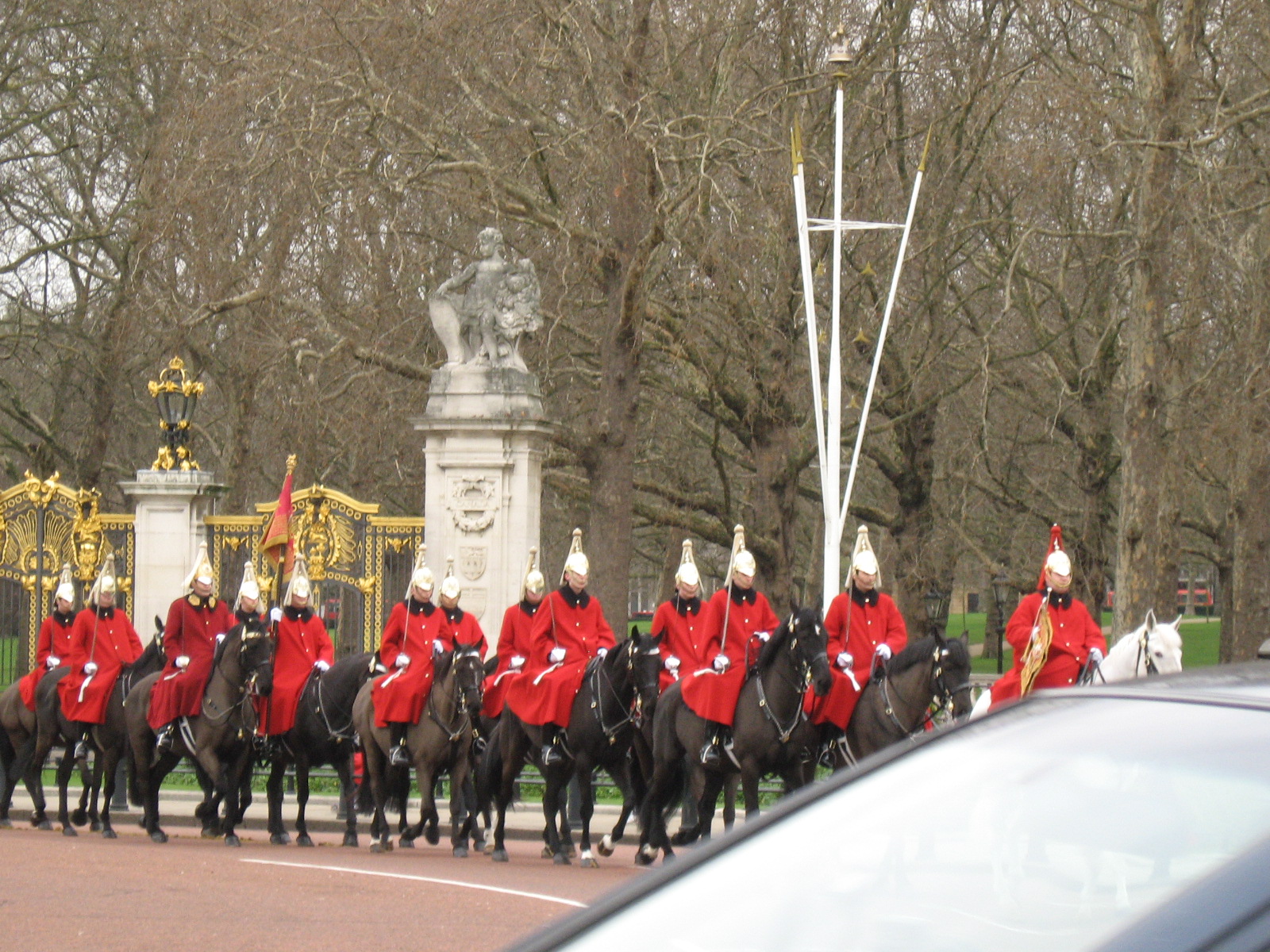
Horses require a lot of hay and oats (maybe 20 to 30 pounds combined), a lot of water, and/or access to grazing and water sources daily. And the logistical challenge at the start of any march was significant: knights were allowed four horses each; esquires, three horses each; men-at-arms, two horses each; and mounted archers, one horse each. Many infantry and archers would not have mounts in a typical army, but any large group of cavalry would be both expensive to support and difficult to keep in good supply.
These basic realities offer you useful guidance about necessary tasks and time expenditures for officers and soldiers in an army. Commanders would constantly be dispatching low-ranking officers with escorts and wagons to secure or purchase supplies of foods and grains. Soldiers, even well-disciplined ones, would constantly be on the lookout for chickens, pigs, and other sources of calories to add to their campfire pots. Would they pay for every chicken? Would they take the eggs, too, if they could? How long would discipline hold if pay was not forthcoming, if food was insufficient, or water was in short supply? How long could an army stay in one place before exhausting the food supplies within wagon range?
* After the Black Death, wages for workers became a contested issue due to the labor shortage and the landholders unhappiness about having to pay higher wages. But so far as I can tell, the standard wages for soldiers stayed the same for at least the period from 1350 to about 1453.
The one exception I see is the wages for foot archers and foot soldiers. In 1350, Reid finds the wage at 3d and 2d per day respectively. May McKisack, in The Fourteenth Century, 1307–1399, has those numbers, too. But Adrian R. Bell et al, in The Soldier in Later Medieval England, find the wages at 8d per day for men-at-arms (foot), 4d per day for foot archers, 4d per day for grooms, and 3d per day for pages. Possibly some mild inflation is occurring at the lowest-paid ranks as the century unfolds, but another possibility is that the grooms and pages are seen as light infantry by some authors (the types of foot soldiers who could guard the wagon train and baggage, perhaps).




Leave a Reply