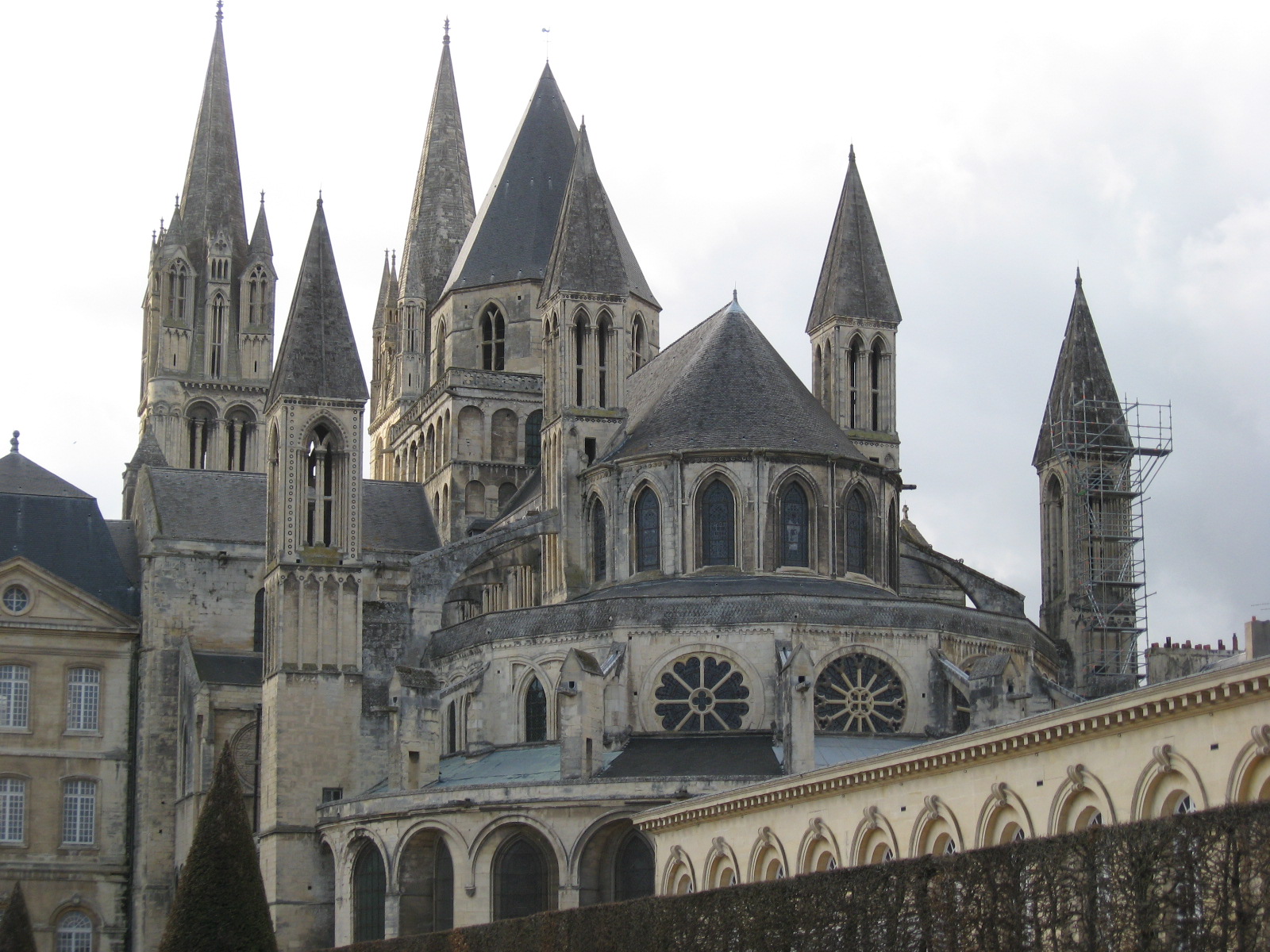
Promise was a sewer.
Contrary to the legends that led to the city’s founding, tales of a land of promise, prosperity, and peace, the city stank. It was a violent hellhole dominated by four oligarch families that controlled most of the northern slave trade. Life for the poor or the enslaved was miserable, painful, and brief.
Life would be brief for Aidan and his companions if they were not careful.
“We will bring him back,” Aidan had said when he heard Ian’s story. The soldier, Craig’s most trusted lieutenant, had a nephew who was working as a ship’s boy on a cog taken at anchor by pirates. The pirates sailed with their booty to the harbor and slave markets at Promise.
Aidan, Craig, Ian, and a handful of others, including Pelion, followed a day later, sailing in one of Simon Lezar’s largest cogs.
Promise had the typical extremes of poverty and wealth. The poor laborer slept in a room with a dozen others, while the oligarchs held lavish balls for their sons and daughters.
From a distance, when one’s eye focused on the palaces and church spires on the hills overlooking the harbor, Promise looked like a beautiful place. But when the wind turned, the city’s smell revealed its true nature.
They were following Simon’s advice about disguising their identity. “The best disguise is to be what you are but not all of what you are. A soldier is not going to hide successfully as a peasant farmer or a barber. Go as soldiers working as guards on a merchant’s ship. Your cargo will be grain.” Simon chuckled. “They’ll assume that you are morally bent, not moral crusaders looking to free a slave.”
Near midnight, as they were reviewing their plan, Aidan mused, “What I’d like to do is rip this trade up by the roots and destroy it.”
Craig chuckled, the mirth belied by the grim tone in his next words. “You’ve been talking too much to Brother Caedmon. It would take ten thousand men ten years to dent this trade. If we defeat the empire, the Republic could do it. But you don’t have the manpower to fight on two fronts.”
The words on which Aidan lingered were simple. The Republic could do it.
When, in the darkest hour of night, they ghosted from their dockside inn and moved quickly toward the pen that imprisoned Ian’s nephew, Aidan had a few moments to think about what had made him successful in life. At first, he knew that his advantages included his ability to discern the right action, absolute commitment to his decisions, velocity of movement, and relentless perseverance. Yet his education at the Academy of War had broadened his ethical horizons and made him even more dangerous for specific reasons, not all of which were related to weapons or mage training.
Aidan’s advantage, he realized, was that his enemies had no easy way to know his intentions because his idealism also made him unpredictable. He could hit them at a place that made logical sense toward his one goal or he could hit them at a place of his seemingly random choosing and achieve both strategic and tactical surprise. If he could remain mobile and surround himself only with his close campaigns, his trusted captains, Aidan thought that he could preserve this advantage for the first few years of the war.
Emperor Marcus had a cause that, in theory, could transcend the self: restoring the Tiberian Empire to its former dominance. But he was hampered by the reality that his motives were personal. He wanted the reputation, the achievements, that would prove his worth, prove that he was the better man than his deceased and neglectful father. This innate selfishness meant that he did not truly understand people or institutions, and so he could not quite deploy the full potentiality of the empire and its massive bureaucracy.
They were imitating a squad of guards extracting a slave for transport, and since they were killing the real guards as they encountered them, the ruse, due to the dark light, was quite effective.
But survivors often are abnormally perceptive, and from a neighboring cage, a soft voice carried to their ears.
“Wait,” said a large man chained to a ring in the cell next to Ian’s nephew. “Don’t leave the rest of us trapped here. Free us. We’ll go our own way. But give us a chance at freedom.”
Aidan hesitated, and then handed the man the key ring through the bars. “We’re here for the boy. You’re on your own.” A cold smile lifted the corners of his mouth. “But I’ll deal with more of the guards for you on our way out of the city.”
The man accepted the keys. “That’s a fair chance,” he said, “and I owe you for it. I’ll remember your face if we meet again.”
“Stranger things have happened,” Aidan observed.
Then, they were moving again, exiting the slave pen and heading down the dark road toward the city’s west gate. The plan was to win free of the city and ride west along the coastal road until they met the several troops of their cavalry that were riding east toward Promise.
Their goal had been to rescue Ian’s nephew, and they were achieving their goal.
But small actions have consequences, and sometimes unpredictable ones. Although the news would only catch up to them several weeks later, Aidan had triggered on this night the Great Slave Revolt of the South by one simple action.
A large, angry man and the former slaves who followed him had not fled like rabbits for the forests and plains; instead, like tigers, they had sneaked quietly into mansions and barracks. And they killed and killed, until dawn and throughout the next day. Sometimes the prayers and promises regarding vengeance uttered by the oppressed become the deeds of bloody days.