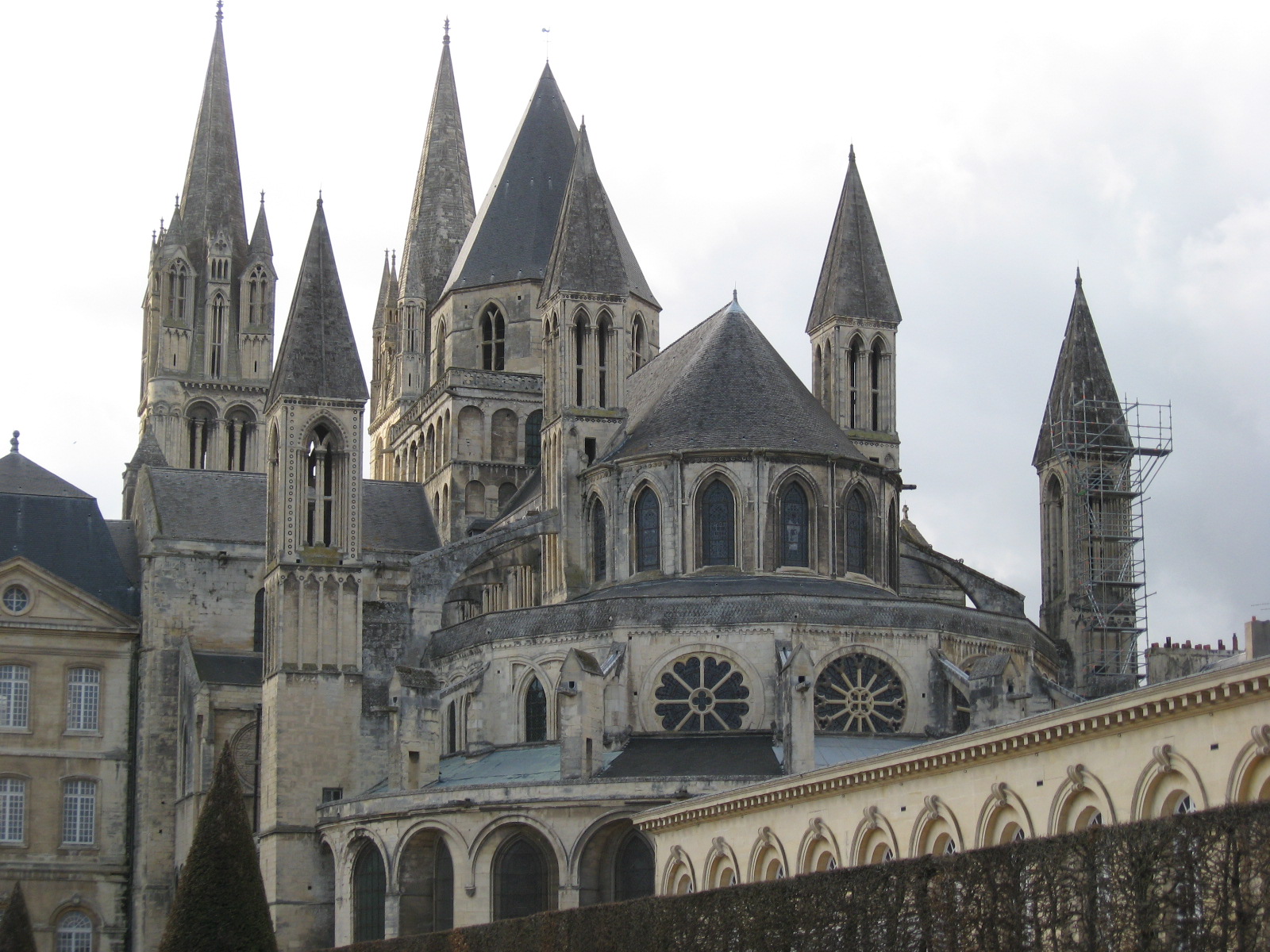
Corsairs of Remar—the pirates who control a small city state on the island of the Seven Kingdoms; their name comes from a legendary pirate captain who captured the city several centuries earlier
Dinner–the main meal of the day in most households; often started at midmorning, midday, or early afternoon, depending on whether the household had any practices of providing an informal breakfast; a multi-course meal and social time that could last for two or three hours; entertainment would be on offer in the hall or a sitting room
The Dedicated–name for the Celdon mage-monks who sworn themselves to the task of reclaiming their ancestral homeland, instead of joining the University of Khartras as many other mages did
District–typically in cities; an area designated for a particular use, especially involving manufacturing or trade; residential districts typically center around churches or, increasingly in the modern world, schools; ethnic districts, or streets, are common, especially as parts of trade treaties
The Great Dying—the name for what happened to normal people after the Collapse of the Tiberian Empire; the estimates are that somewhere between ten and thirty million people died due to poor harvests, civil strife, and epidemic diseases in the decade after the Collapse
The Long Ride—in the aftermath of the Collapse, a small group of mercenaries managed to ride from the eastern frontier of the Tiberian Empire to Port Liberty, in the far southwest of the continent; the Ride took almost two years
Parish—in most cities, people organized themselves around their churches and the adjacent plazas; these areas became the organizational units of both the religious and the civic powers
Protocols of Peace–the Southern Republic’s Assembly’s attempt to codify a set of prohibitions against assassinations, dueling, torture, and war crimes; functions like a treaty with signatories; promotes religious tolerance and respect for cultural values of conquered peoples
The Righteous Blades, or The Soul Swords–imbued weapons that provide the wielder with a spherical shield of protection from certain types of power; possibly sentient, because their creation required a mage to sacrifice themselves into the act of creation
Sartori House–the chief company of one of Kimmelsport’s great merchant families; members are known for their foul tempers; figures prominently in “Ahern Assumes Command,” the first story in the Watch Chronicles
The Seven Hells—used in vernacular discourse and regular conversations; the concept originated with early northern theologians of the Church of the Creator as a multi-layered place of torment for the souls of sinners after they left the mortal plane
The Six Chairs—the leaders of the academic administrative units within the University of Khartras
Supper–a smaller meal at the end of the afternoon or early evening, often with only a few courses and soup as the main course; the times of both dinner and supper sometimes were adjusted on feast days or holidays
People—Other Characters (Underutilized in the Trilogy)
Octavian—a Tiberian colonel, assigned to the Old Guard, or the emperor’s bodyguard
Jol—a Tiberian mage in imperial service
Durward—a Tiberian mage in imperial service
Donal—a sergeant in Baden’s service; a loyalist aligned with Sorenson
Lucius Anaraxes–deceased Tiberian emperor; father of Emperor Marcus