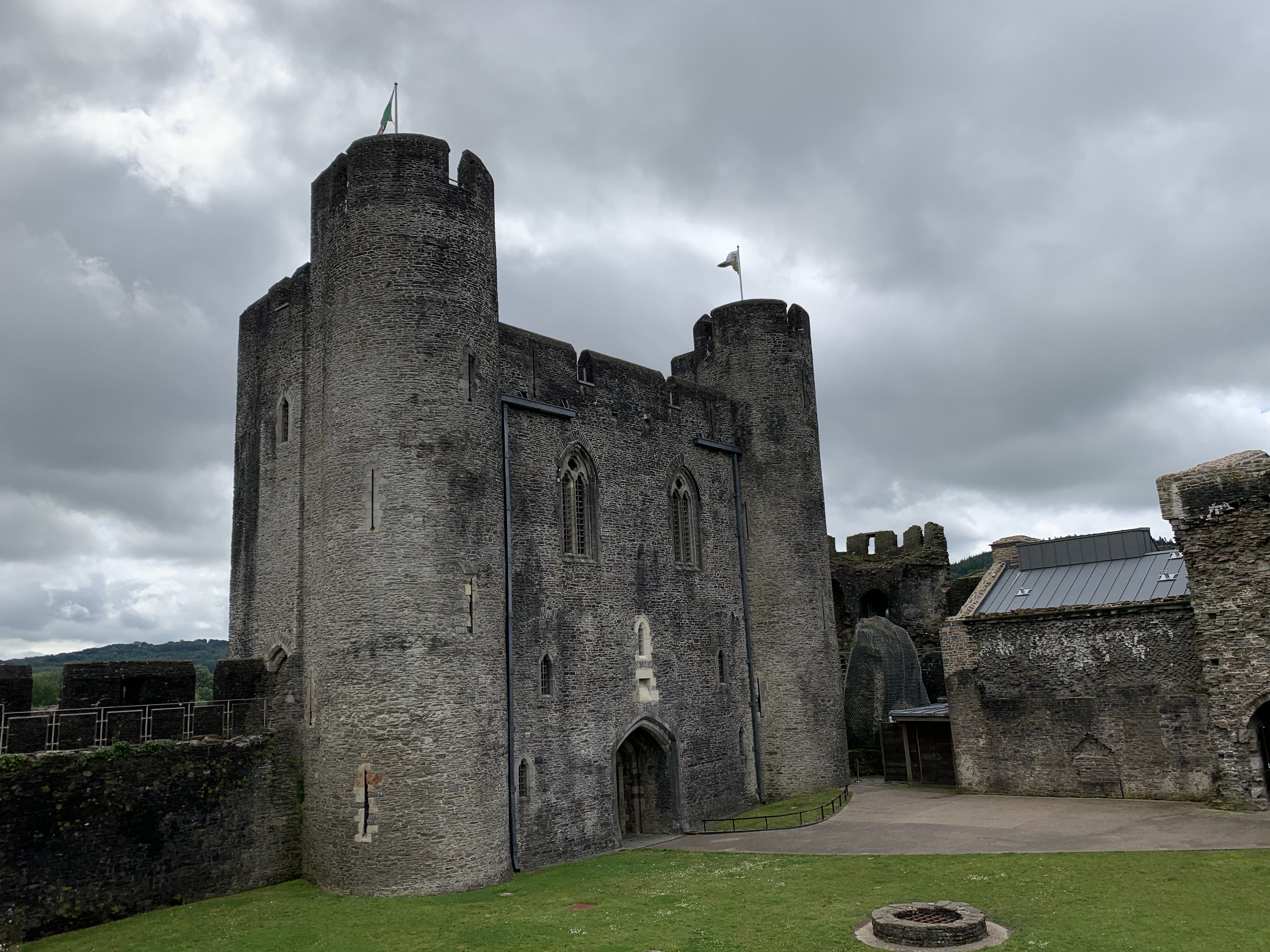
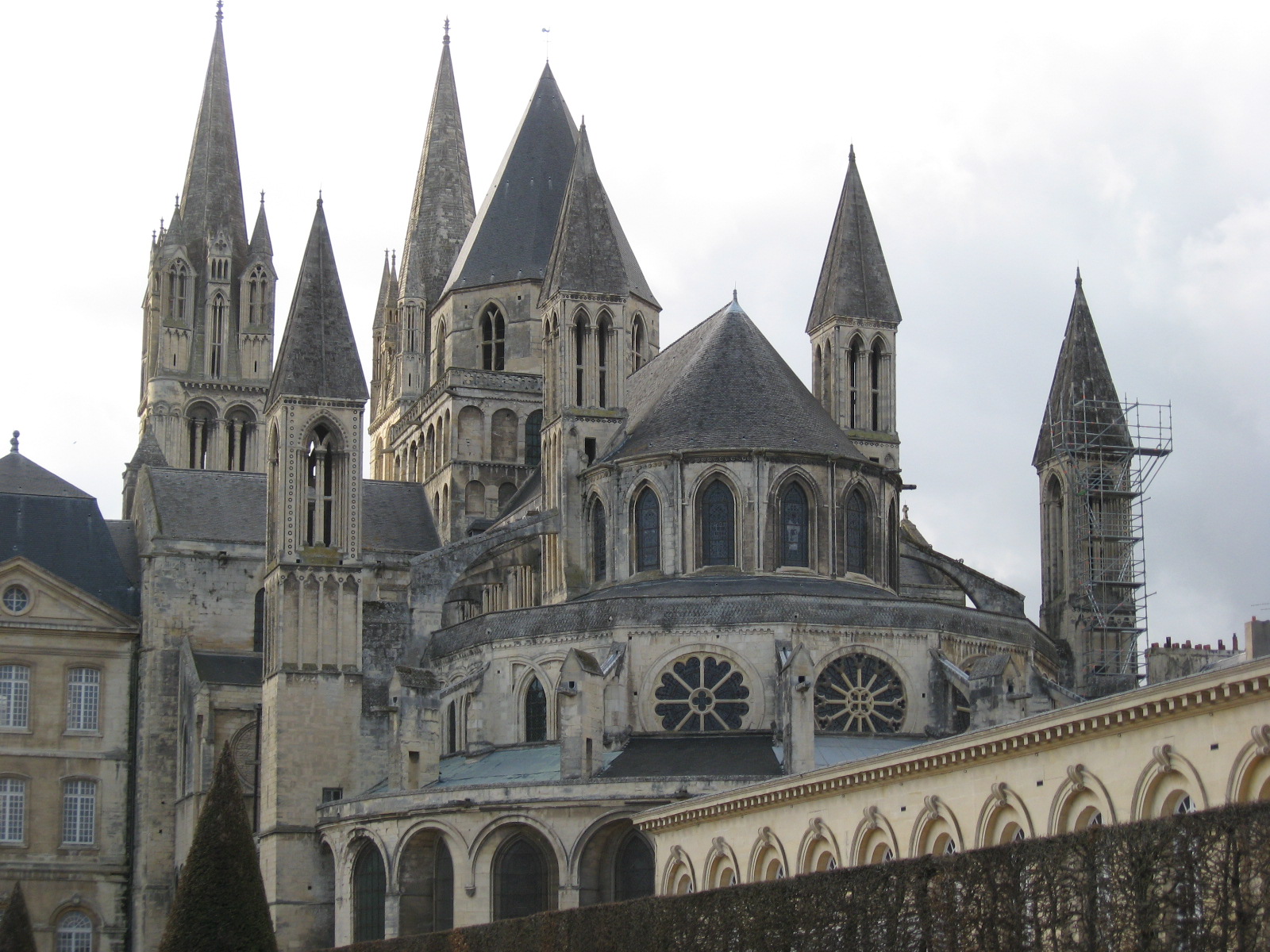
Keeping any sizable army well supplied on campaign was difficult. Keeping a large, stationary army supplied was a nightmare. Armies moving to new camps for each night had an easier time finding food from local sources. But even redeploying smaller units presented a difficult challenge if the food supply in nearby territories had been eaten down in previous recent campaigns. Therefore, many castle, fort, and tower garrisons were relatively small, and often less mobile (due to a small number of horses), to reduce the supply requirements.
For a 10,000-soldier army, the wagon train would need about 400 to 500 carts of wagons, or it would need about 1,600 pack mules or packhorses. The normal supplies would include barrels of salted fish and meat, sacks of grains, tents, pots and pans, bundles of arrows, and spare equipment and clothing.
Minimum weight for a 1-day ration for an adult male [8 pounds total]
~3 pounds of grain
~1 pounds of vegetables, salted meat, and other foods
~4 pounds of water, ale, or wine (2 quarts) minimum
Ration Count by Weight (Dry food only)
1 cart/wagon load (1 ton)=560 rations, or about 80 weeks for 1 soldier; ~28-30 days of ration for 20 soldiers.
1 mule=~52 rations, or 7-8 weeks for 1 soldier; ~2-2.5 days for 20 soldiers
1 cog (small, 50 tons)=~28,000 rations, `28-30 days for ~1,000 soldiers
Standard Formations
When moving on major trade roads, imperial roads, or across open plains or fields, Ravenwood’s wagon trains tried to maintain a three-column formation. A middle row of cargo wagons interspersed periodically with a unit of twenty escorts sheltered between two rows of war wagons and many more units of twenty escorts .
Distance covered per day
* cavalry-only column, about 20-30 miles per day typically
* with wagon train and camp followers, five to ten miles
* with troops only, twelve to fifteen, or more for short bursts
* dawn to noon marches typical; stop to bake bread (flour wagons) and resupply by wagon train
* somewhere around sixty to a hundred miles from a base of supply is probably wise
* an advance patrol could ride ahead and select the campsite, warning nearby people about the willingness to buy fodder and food; contracts with sutlers; polite letters from commanders warned local nobles or leaders.
* sea or barge (or rail) transport superior for any distance over 200 miles (from a good source of supplies) due to grain and fodder requirements as well as other issues.
1 wagon per 10-to-20 men, 2 to 4 oxen or horses each
* more wagons for longer periods of self-sufficiency
* many wagons often diverted to use for baggage, loot, or followers [Camp followers included traders, caravan guards, servants, bodyguards, hostages, prostitutes, courtesans, older soldiers, scribes, minstrels, women, and children.]
* 1 ton (long)=2,240 pounds (used for ships); 1 ton (short)=2,000 pounds
1 horse: consumes twenty pounds (ideally, 10 of grains and 10 of fodder) of food and about eight gallons of water per day; fodder typically secured locally; bundles of hay and straw, sileage
* feeding large numbers of horses is difficult [1 acre of green fodder per day=(low estimate) enough to feed 50 horses]
1 daily ration per man=two pounds of bread (or hard biscuit) [professional armies provided it for free [sometimes]; ~1 pound of “meat, beans, or other protein-containing food”; [soldiers bought or scrounged; sometimes gifted or discounted; otherwise, rations took about half to two-thirds of a soldier’s pay]
Encampments
1 soldier (with spade) can move ~80 cubic feet/day; the soldier can throw each shovel-load ~12 feet horizontally or ~four feet vertically.
Ale, water, wine, and wood sourced locally whenever possible. Depending on available transport, the train might carry some liquids, but the weight problem is an obstacle.
1 regular horse transport ship=carries 20 to 30 horses, 2 squires or grooms per horse (moving 4,500 horses would take about 150 horse transport ships)
Optimal Road Density (to allow each major unit adequate room for foraging and horses to graze)
* Columns couldn’t exceed about 12.5 miles in length, or about 30-31,000 troops per road route (allowed room for foraging parties to go out and for columns to close up in time to graze horses, and so on)
* The 12.5-mile distance allowed for a supply train roundtrip to a depot, fortress, landing, or port.
* So a larger army would need parallel roads for the march and time to concentrate at rally point or battlefield or destination (multiple route marches to one destination).
* Supply problems increased dramatically if too many troops moved along one route (geographical confine, etc.)
Foraging or purchasing parties—20-to-30 men, under an officer
Supply Depots—when possible, pre-positioned along intended march routes; 2 or 3 weeks worth
Fortresses or Fortified Towns—larger storage bases; ~six months of supply for a garrison is typical stockpile; increased to one year if time allows.