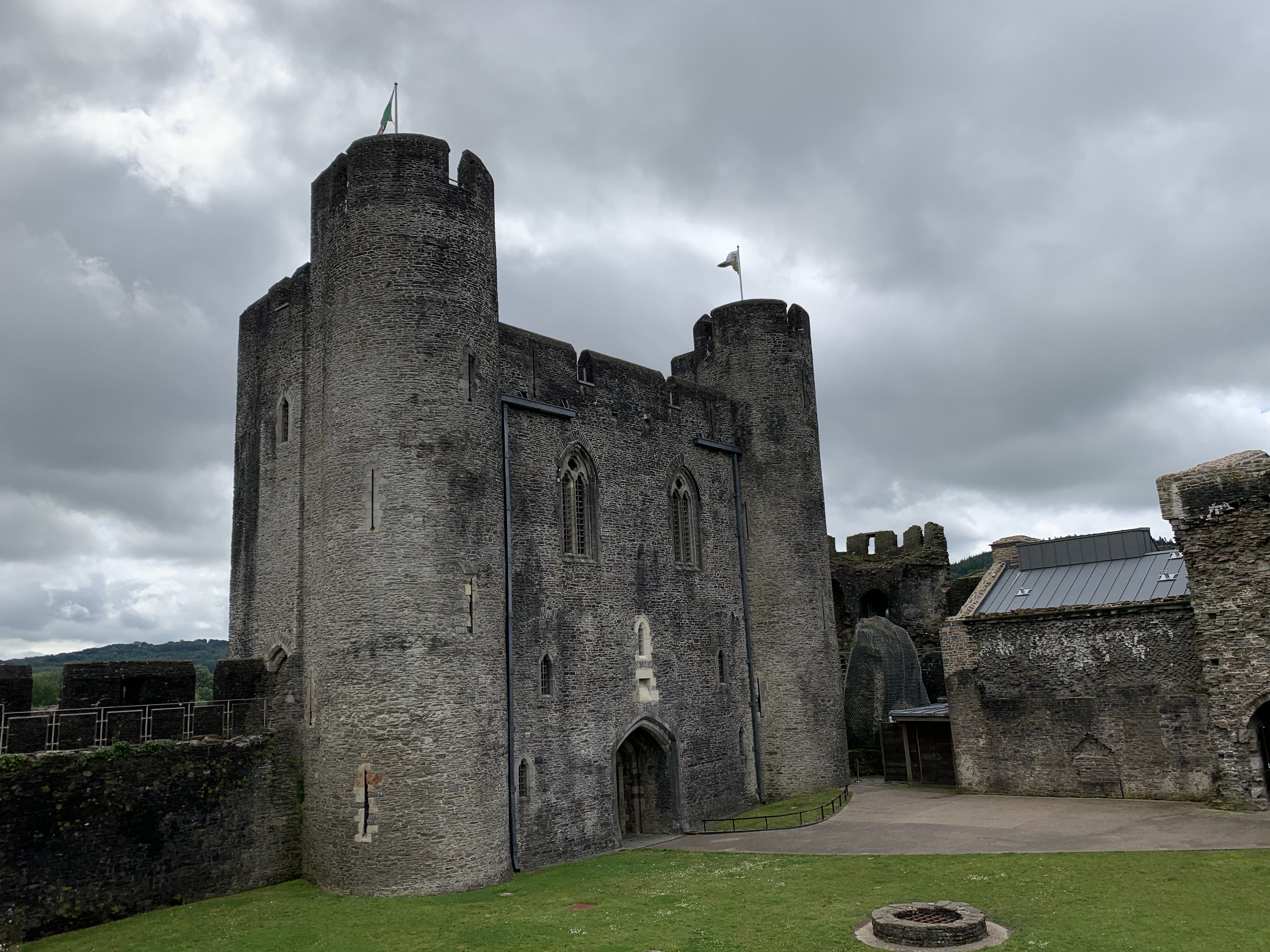
Prior to the reforms unleashed in the Duchy of Ravenwood and the Southern Republic, the sheriff or the equivalent official supervised not only regional law enforcement but also tax collector and property transfers involving the sovereign. So the sheriff would supervise a number of tax collectors and accounting clerks as well as the office of the escheator, the official responsible for handling property matters connected to the sovereign authority (confiscations, transfers, reversions upon death).
Constables–responsible for local law enforcement duties; typically a villager serving under the bailiff in lieu of other service or dues, selected from among the men of the village; would command the posse comitatus if the sheriff or bailiff called for it.
Justices of the Peace, or Judges–in the Southern Republic, the justices of the peace were placed above the sheriffs as the chief law enforcement official; they used judicial panels or juries for serious crimes; they could escalate to the use of a regular division’s men-at-arms or the local militia as necessary to deal with corrupt officials or criminals; under the new structure, the sheriff, the escheator, and the coroner all reported to the justice.
Sheriffs–typically appointed by sovereign to each county/shire or providence; functioned as the chief law enforcement officer and overseer of taxation; constables, tax assessors, and tax collectors reported to the sheriff; many were honorably discharging their duties, but many also often were overly influenced by the interests of the local gentry or suspected of corruption.
Posse Comitatus–The “Power of the County”; all males from fifteen to sixty could be called into temporary service to enforce the law.
City and Town Watches–professional forces typically organized into district, precinct, or ward units of twenty, thirty, or forty watchers, including one captain and some sergeants; operated out of unit blockhouses containing three or four jail cells.
Village and Town Watchmen–under one common system, small groups of males eligible for service served as a rotating night guard for a large part of the year; the quality of protection varied based upon the quality of the men, and the focus was less on overall public safety than on preventing the theft of livestock or grain from the lord.
Lawless Areas–Some areas (mountainous regions, deep forested foothills, towns or cities wit unusual terrain advantages) essentially were only nominally under control. A small military expedition might be necessary to bring one criminal to justice.
The Kingdom of Khartras–~100 king’s lieutenants, one in charge of provincial district.
Ravenwood–~35 sheriffs, one in charge of law enforcement in each county; typically based in a city castle or a strategic rural castle.
The Tiberian Empire–~200 imperial constables, one in charge in each civic parish (equivalent of a county).