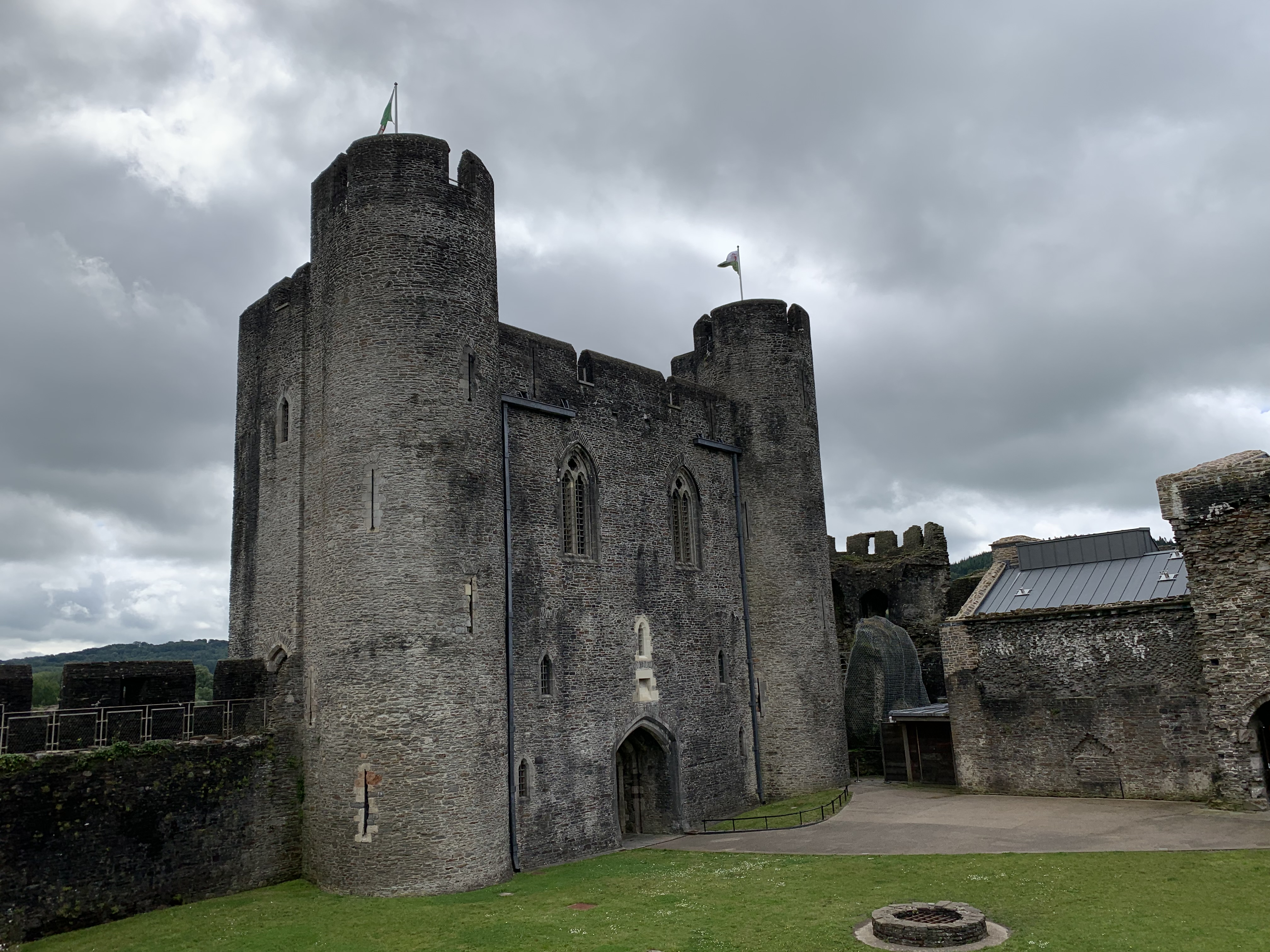
When the Tiberian Empire settled and attempted to conquer the southern continent, the Emperor established two new imperial provinces. The idea, historians are convinced, was that each could serve as a necessary check on the other’s ambitions. The emperor was not interested in spending coin on developing a rival splinter empire to his south, but emperors possess less than perfect control over the future.
Midway through the civil war, both of the southern provinces generated their own pretenders to the imperial throne. By the time the governor and the general fought their own miniature version of a civil war, and the victor headed north to the island of the seven kingdoms, where he, in his turn, became the vanquished, the provinces were well on their way to splintering into the thirteen city-states that currently jostled for control in the territory.
The nomad tribes, of course, benefited from the disorder. They pushed back the old imperial border by two hundred miles. Another hundred miles now was a dangerous, semi-lawless frontier, with small settlements and mining communities hanging on, constantly at risk of raids, both by bandits, nomads, and pokkirs.
The western city-states and towns closest to the great mountains and large forest were sources of iron and other ores, while the larger cities like Paradise survived by building ships and exporting metals, they could only project strength from their city for a distance of about one hundred miles.
The central city-states provided grains, while the eastern city-states provided meat and furs from the great herds of animals roaming its plains.
The nomads, over thirty identified tribes loosely organized into three rival confederations, probably could have claimed the entire continent and driven the imperial settlers back across the sea or into slavery, if only they had been unified.
In their infighting, they killed at least two of their own men for every one of the soldiers or settlers they managed to kill. You can raid villages and hamlets while frittering away parts of your strength. But you don’t capture a well-defended city that way.