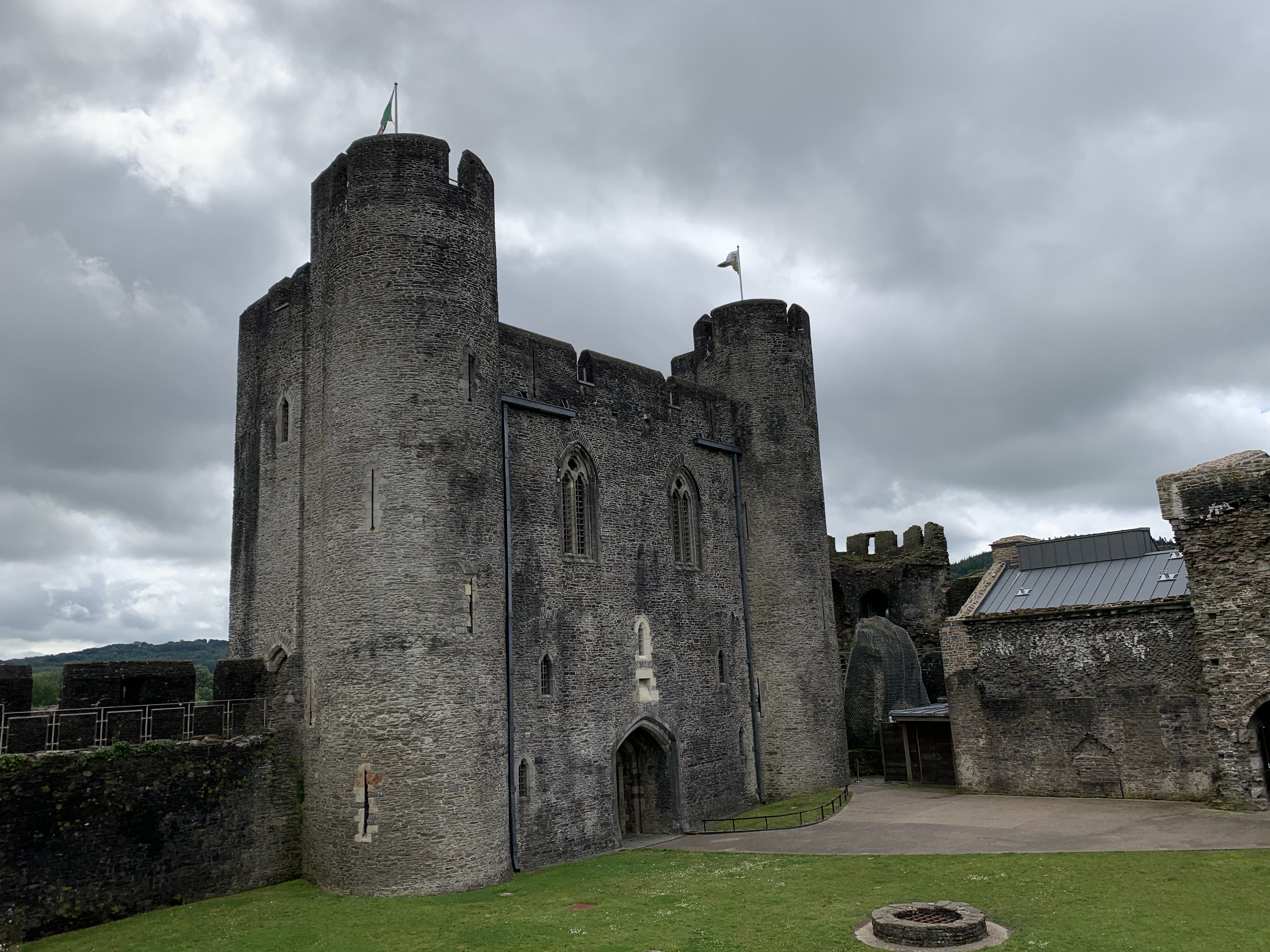
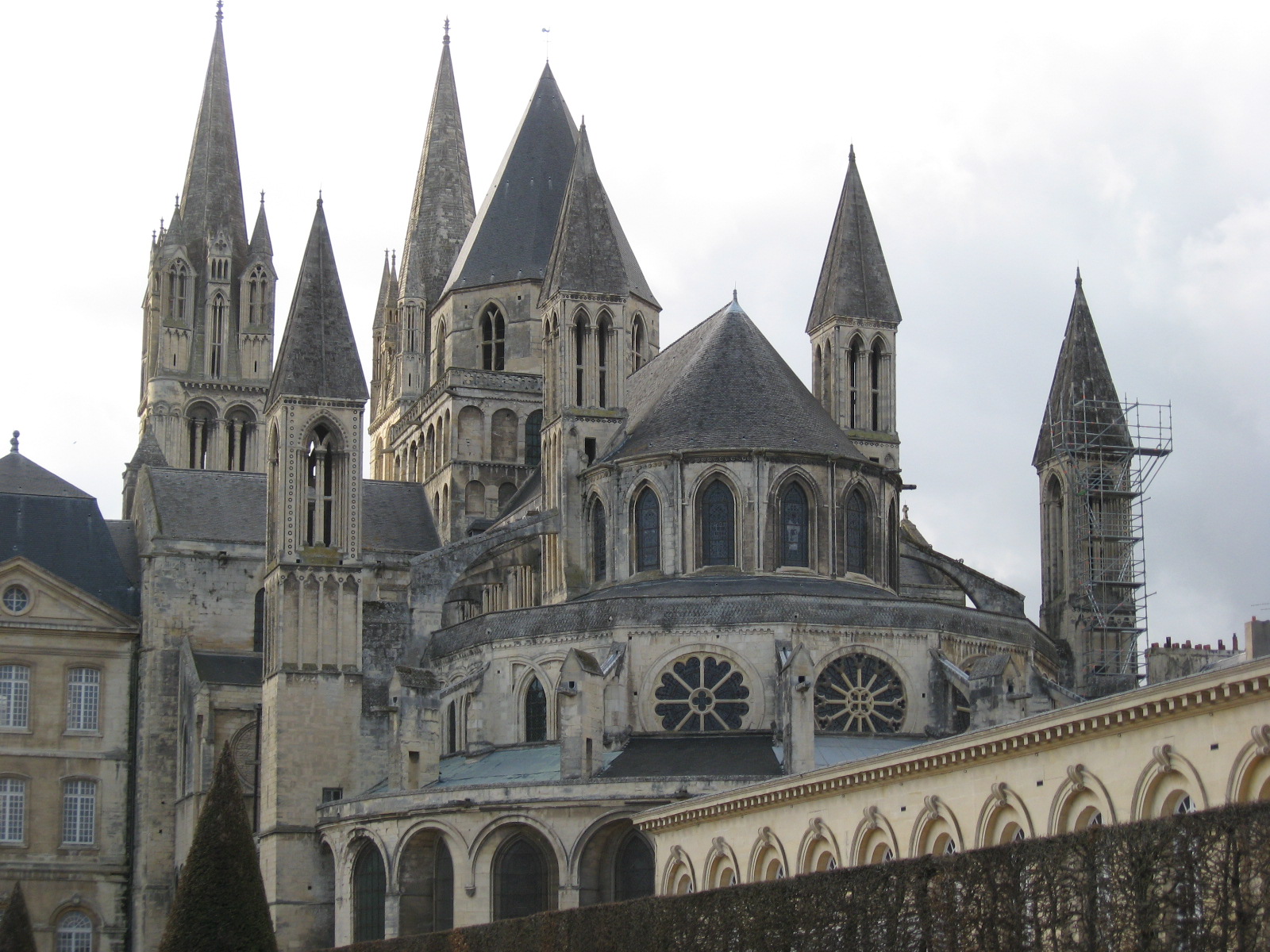
Major cities and towns serve not only as primary trade hubs for a regional network but also as strategic strongholds. Towns would center around a market and a few trades; cities would have a large transient population, especially the port cities.
The average market town numbered approximately 500-2,000 residents, while most large towns would number between 7,500 and 25,000 residents. Royal seats and/or capital cities, or ones with extremely advantageous terrain, would number 50,000, 100,000, or even more. No cities in this region of the world are larger than Tricolles, the capital of the Tiberian Empire, at approximately 220,000.
Most permanent settlements were located somewhat above sea level (often at the top of a ridge, hill, or plateau) to protect against flooding, wetland disease, and easy raiding, while also remaining below the elevation at which their necessary crops stop growing. According to Braudel, somewhere around 200 to 400 meters about sea level seems to be the sweet spot (Vol. I, 56).
Cities often were organized into parishes or wards. These units typically had a square with a church, some shops or workshops, and several sides with several large houses and numerous smaller row houses, inns, or sub-divided houses or apartment buildings.
The Grain Office. All market towns and cities have a grain office. Its officers report to the mayor or city council and are responsible for price setting, enforcement of any price ordinances, and bakery inspections.
Until the establishment of the Republic’s Town Watches, a practice soon emulated by the empire and other kingdoms, the streets could be dangerous and violent, especially at night and in the major cities. In large cities, various factions often had street or district enclaves, and street fights between different groups were common. Such fights could be deadly, not least because most merchants and all free seamen also fought as their ship’s defenders (in other words, weapons and experience using them were widespread characteristics among a city’s visitors).
Poverty–At any given time, cities would contain a lot of poor people (paupers, laborers or journeymen without regular employment, unskilled women, orphans and disabled persons without relatives, and recent unskilled migrants). The amount of poor people typically ranged from 20 to 50 percent of the city’s total population. Trade and merchant guilds ran almshouses but provided mostly for their own elderly masters, poor journeymen, and orphans. The church operated almshouses and hospitals (which offered cheap lodging), and great noble households often had some cottages or small rooms set aside for a small number of residential poor. Yet many people slept in groups in cellar apartments, outbuildings, alleys, and side streets.
Inns and Taverns–Small villages would have small taverns or brew wives to buy ale from but not inns. Travelers might be able to rent a room in a house or sleep in a stable, but their safer choice would be to travel from town to town. The largest capital cities contain thousands of inns and taverns–e.g., over 5,000 in Tricolles.
Street Names–often directly signaled dominant purpose or grouping–e.g., Book Lane, Baker Street, Fuller Row, Ginger Street, West Way, Sea Coal Lane, Lime-burners Lane.
Population of ~100,000 or more
Khartras–~150,000
Northport–100,000
Port Liberty–100,000
Tricolles–220,000
Population of ~50,000 or more
Chickhall
Kimmelsport
Paradise
Raonda
Ravenwood
Population of 20-30,000 or more
Ashland
Baden
Kalinsport
Poulona
Promise
Southport
Other Significant Cities and Towns
West Crossing