[Build in progress]
A castle typically functioned under the military command of a constable. For lords who owned multiple castles or fortifications, sub-constables often commanded the lesser ones. Similarly, a steward, seneschal, or warden ran the lord’s household and estates, sometimes with the help of sub-seneschals or other assistants.
Small fortifications might enclose 60×50 meters, 60×45 meters, or similar sizes. These structures included four-tower square forts, castles with small keeps and baileys, or fortified caravansaries. Wooden motte-and-baileys also were common.
On the southern continent, knights and nobles, as well as the Paradise City Guard, built dozens of standalone towers to try to defend their holdings. In the early centuries after the Collapse, a shortage of manpower was the primary limiting factor.
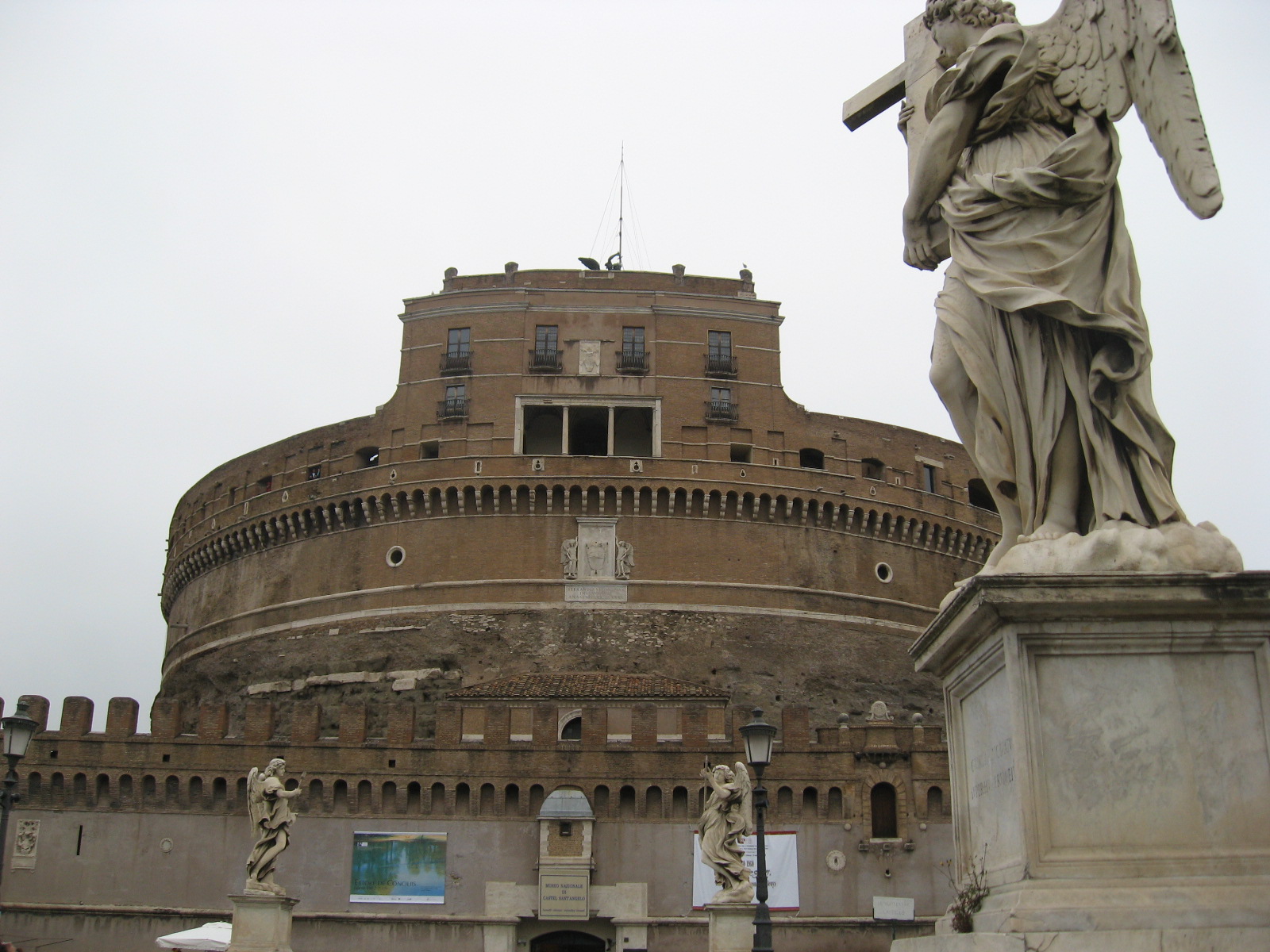
Larger castles and fortresses often had multiple baileys, old and new keeps, multiple residential structures, ditches or moats, and additional towers or gatehouses. (A well-positioned defensive tower or fort might connect to the main structure via a wall or underground tunnel.)
The largest castles or fortresses could contain over fifty rooms, several halls, multiple barracks and dormitories, and anywhere from ten to thirty private bedrooms.
Communal bread ovens often would be located outside of the main gate. During wartime, they would be inside.
Hilltops, plateaus, and ridgelines not only were popular sites for castles but also were typical places for a walled redoubt for the local population. If space and wealth permitted and danger warranted a change , settlements shifted into the most protected space.
Barden’s Fortress–normal garrison=60 knights, ~180 archers, and the deport regiment for the Republic’s Second Division; in wartime, the fortress can easily hold well over 2,000 defenders.