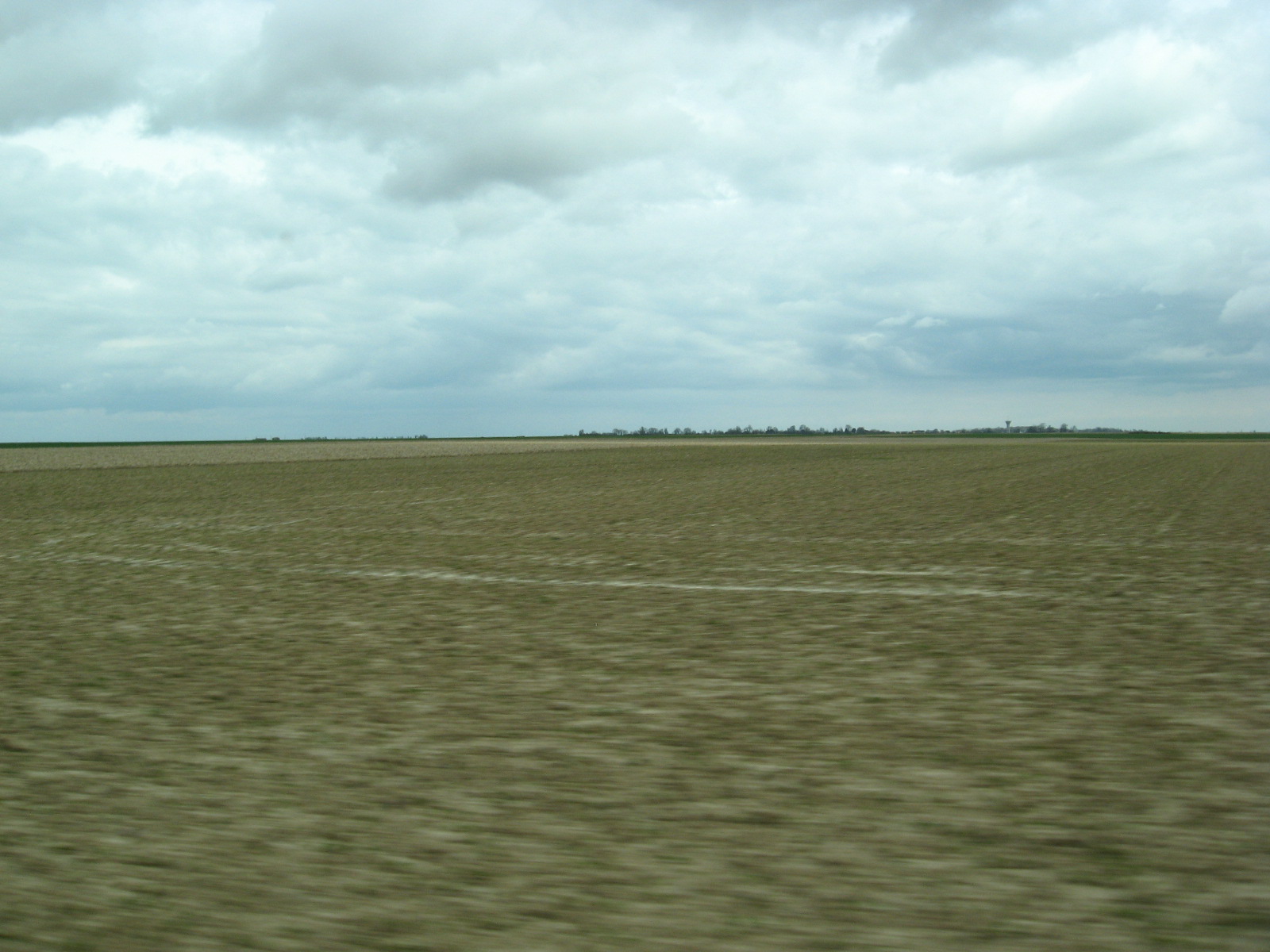
I fell into the sinkhole of researching medieval agriculture because I wanted my medievalist fantasy to have at least some realism about what people could afford to do and about the size of armies, particularly cavalry-heavy armies.
If I had fully understood how complex the subject area was, I may have settled for ignorance. But I doubt it because the domain of medieval agriculture quickly captured my curiosity. I’m enjoying my learning about most aspects of the topic.
Still, I make no claim of being a subject-area expert. My interest is focused on information that looks useful to me for writing medievalist fantasy fiction and for game design. That said: I can tell from the feedback from my readers that I often jump deep into the hole.
Let me start with a list of some key land measures for land: hundred, square mile, hide, virgate/yardland, hectare, acre, furlong, and rod.
Land Measures
1 Hundred=100+ hides; an administrative unit
1 Square Mile=640 acres (5,280×5,280/43560)=5.33 hides (A normal muster expectation or levy was 1 trained man per 5 hides.)
Hide=120 acres, with enough arable acres to maintain a reasonably prosperous household; so, variable, depending upon region and soil quality.
Acre=43,560 square feet, or traditionally 1 furlong (660 feet) by four rods (66 feet); allow for 2.5 to 3.5 feet between rows, depending on the crop=about 22 rows, with a range between maybe 18 and 26; the amount a man and a two-ox team could plow in one morning (forenoon), and then the oxen would need to rest until the next morning.
Yardland, or virgate=30 acres, or the amount of arable land a team of two oxen could plow in a single season (i.e., before planting); variable by region, but about the amount necessary to support one family.
Hectare=2.5 acres, or amount of arable land needed to produce enough grain for one person for one year [under a two-field rotation system, probably 3 acres per person is a safer number, or 4-to-6 hectares to support a family].
Furlong=660 feet, or the distance a man with a wooden plow and a team of two oxen could go before the oxen needed a break; one-eighth of a mile, 220 yards, or 201-202 meters; then, they could turn the plow and team and do another row/furlong. In most villages, a family would hold long, narrow strips of land in several larger communal fields.
Rod=16.5 feet, or 1/320 of a mile, or 5.5 yards; but shorter and longer variants existed.
Some context: Until farmers figured out and/or accepted the three-field system or the four-field system, they used a two-field system (for most of the medieval period). So a yardland of approximately thirty acres was necessary to support a family because only 15 acres would be planted in a typical year (~2.5 to 3 arable acres per person was subsistence level). Many farmers, especially the ones on smaller farms, also worked for wages or engaged in other enterprises.
A “knight’s fee” (or “fief”) is the term typically used to indicate a manor with enough land to support a knight, his squires and men-at-arms, and his family. A knight would own a number of horses, and horses eat a lot of grain. The amount of total land typically would need to be somewhere around a minimum of 1,000 to 2000 acres, and often much more, such as 4,000 to 6,000 total acres. The arable acres would include the lord’s personal demesne and all the fields of the manor’s other tenants (often somewhere around 35 to 70 percent of the total acres). Many other acres would be pasture, meadows, forest, or wastelands of various types. For arable land, you’d need not only enough to support the lord’s family but also enough land for some retainers and the peasant families who worked the lord’s/knight’s land (figure several dozen families or more, as well as some individual cottagers).
Use value: If you understand the land measures, you can quickly estimate how many knights or men-at-arms a specific amount of arable land can support. If you unearth facts about crop yields, normal wages for various types of work, and land utilization percentages, you can calculate a good guestimate of a family’s generated surplus and its disposable income. You can put together a somewhat realistic simulation of the available military manpower and a medieval farming economy, which is useful for certain types of game design.
Many books can help you to piece together a picture at whatever level of detail you have the tolerance for. One of Christopher Dyer’s books is a good place to start (perhaps try Standards of Living in the Later Middle Ages: Social Change in England c. 1200–1520). Singman and McLean’s Daily Life in Chaucer’s England has some good sections on agriculture cycles.
If you have access to a good library or a good seller of used books, keep an eye out for Georges Duby’s Rural Economy and Country Life in the Medieval West and P. Boissonnade’s Life and Work in Medieval Europe: The Evolution of Medieval Economy from the Fifth to the Fifteenth Centuries.


Leave a Reply