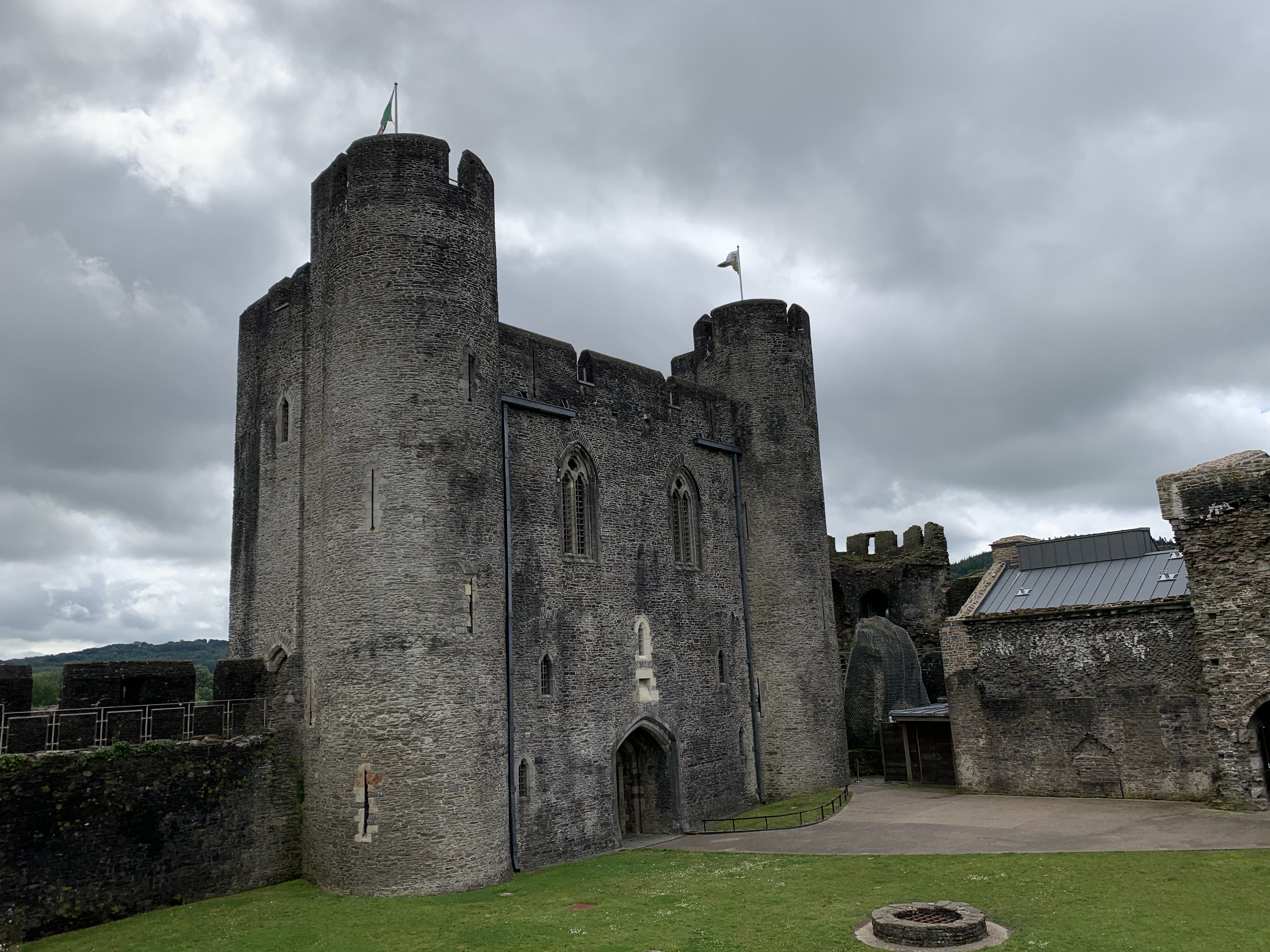
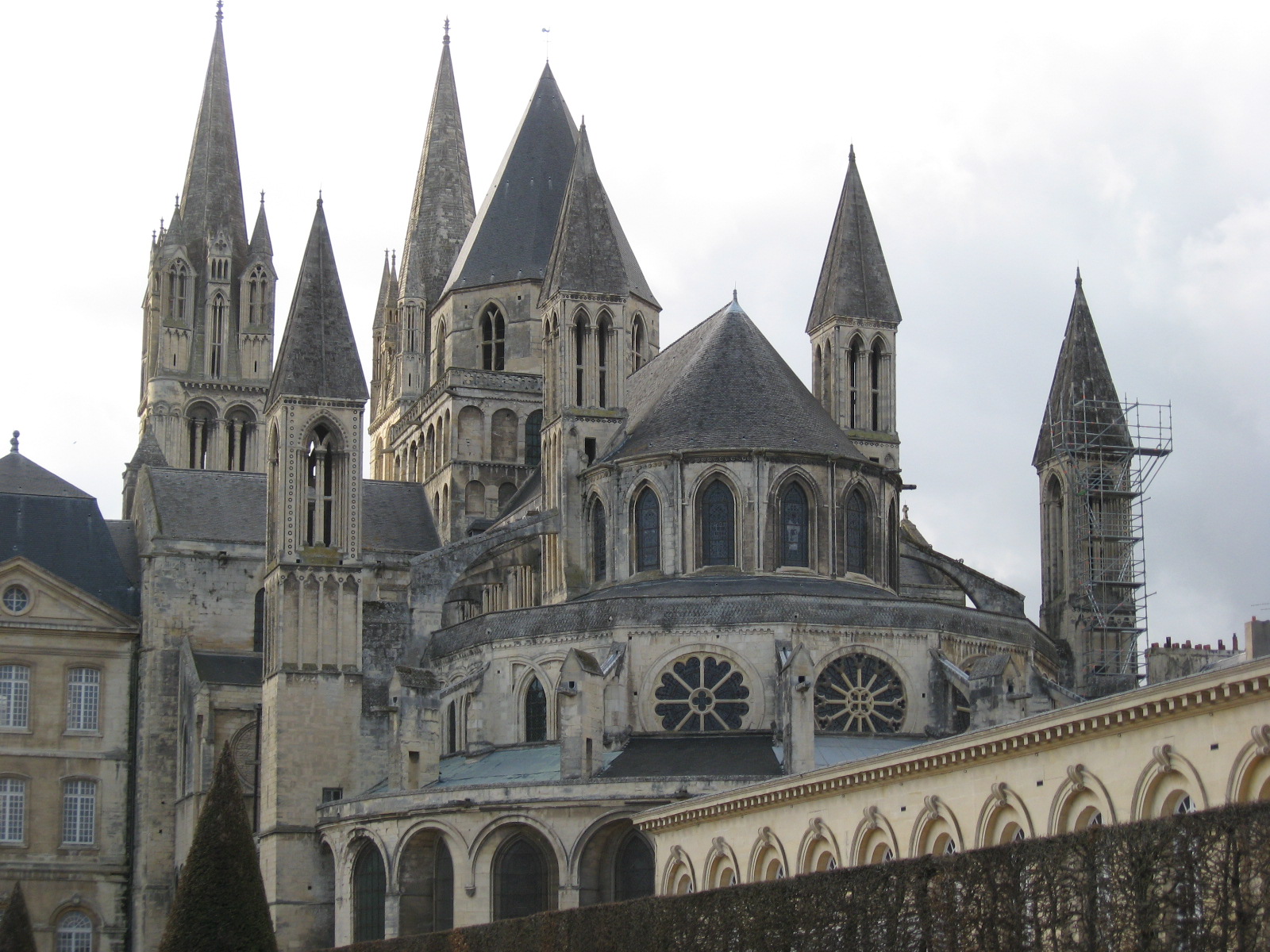
Peacetime garrisons of fortified locations were relatively small, although the storerooms often held enough provisions for a larger garrison to withstand a siege lasting a year or more. Keeping the garrison to the smallest necessary size significantly reduced its expense and the problems of supply.
Horses, in particular, consume a lot of oats and fodder, so the number of mounts kept in the bailey’s stable typically would range from ten to thirty maximum. Archers in garrison, even if capable of riding like their mounted peers, typically did not have horses at the castle.
During wartime, reinforcing garrisons and stockpiling more provisions were typical actions.
For a stone tower or small motte-and-bailey castle, a garrison of ten to twenty men was normal. For example, a stone tower on Ravenwood’s border with the Free Baronies had a standing garrison of fourteen men (one knight, one squire, three men-at-arms, and nine archers).
For a large castle, with a keep and one outer wall, a garrison or twenty-five to fifty men was normal. For example, Baron Mortimer’s castle near the city of Paradise had a standing garrison of thirty-six men (one knight-castellan, three knights, three squires, nine men-at-arms, and twenty archers).
For the largest fortress, such as the headquarters of a knightly order, a garrison of fifty to a hundred (or two hundred, if located near a dangerous border) was normal. At the citadel in Port Liberty, the standing garrison was 163 men (one knight-castellan, two squires, forty men-at-arms, sixty archers, and sixty crossbowmen).
The main depot of an imperial army or one of the Republic’s divisions is a different matter, as is a castle of the Church Militant or the permanent encampment of a Khartras legion. But only the wealthiest of polities could keep such forces under arms and in the field permanently.