[Build in progress]
Raids–an attack by a body of mounted men; common on contested frontiers; the goal was to plunder and burn enemy property; if the raiding force’s numbers seemed greater than the likely response force’s numbers, then a train of pack mules or sumpter horses and/or wagon would carry heavier commodities (barrels; sacks of wool, grain, salt; ingots; and so on)
Defeating a Nomad Army–Chasing an army of experienced horse archers with a heavily armored force is a common way to get your entire army annihilated. The two most common tactics to defeat one of these armies requires a disciplined force. One option is bait or trick their army into a close engagement with your center (perhaps by hiding portions of your available force). You deploy skirmishers in front of your line, with a strong close-ordered formation of heavy foot in your center supported by foot archers and mounted archers close behind them. You deploy strong but smaller amounts of foot and archers on your left and right, with all of your cavalry waiting in reserve behind them. If you can get the nomad army to commit to a heavy engagement with your infantry, then you send your cavalry on sweeps around their flanks, and if possible, you flank with your infantry wings, too. If you can prevent an easy or clean retreat, your heavy infantry and cavalry can steadily slaughter the packed mass of nomads. The second option is difficult to execute, but if you can scout the location of the nomad army’s wagons and herds, you advance relentlessly against the herds until you force the nomad army either to abandon the slower animals and wagons, which they won’t want to do, or to fight your advancing force to buy the wagons and herds more time to move. Once they engage you, you try to execute option one. A light scouting vanguard or raiding party is extremely difficult to deal with unless you have ample light cavalry and mounted archers on horses of equivalent or better quality and with better training. One strategy used by many empires and kingdoms is to hire one mercenary group of nomads to fight your enemy group or to ally with one group of nomads against another group.
Defeating an Undisciplined Foot Army–If the enemy army fails to maintain close formations, cavalry charges are devastating; an infantry force that is disciplined enough to rotate the front-line soldiers, such as a Khartras legion, can defeat significantly larger enemy armies.
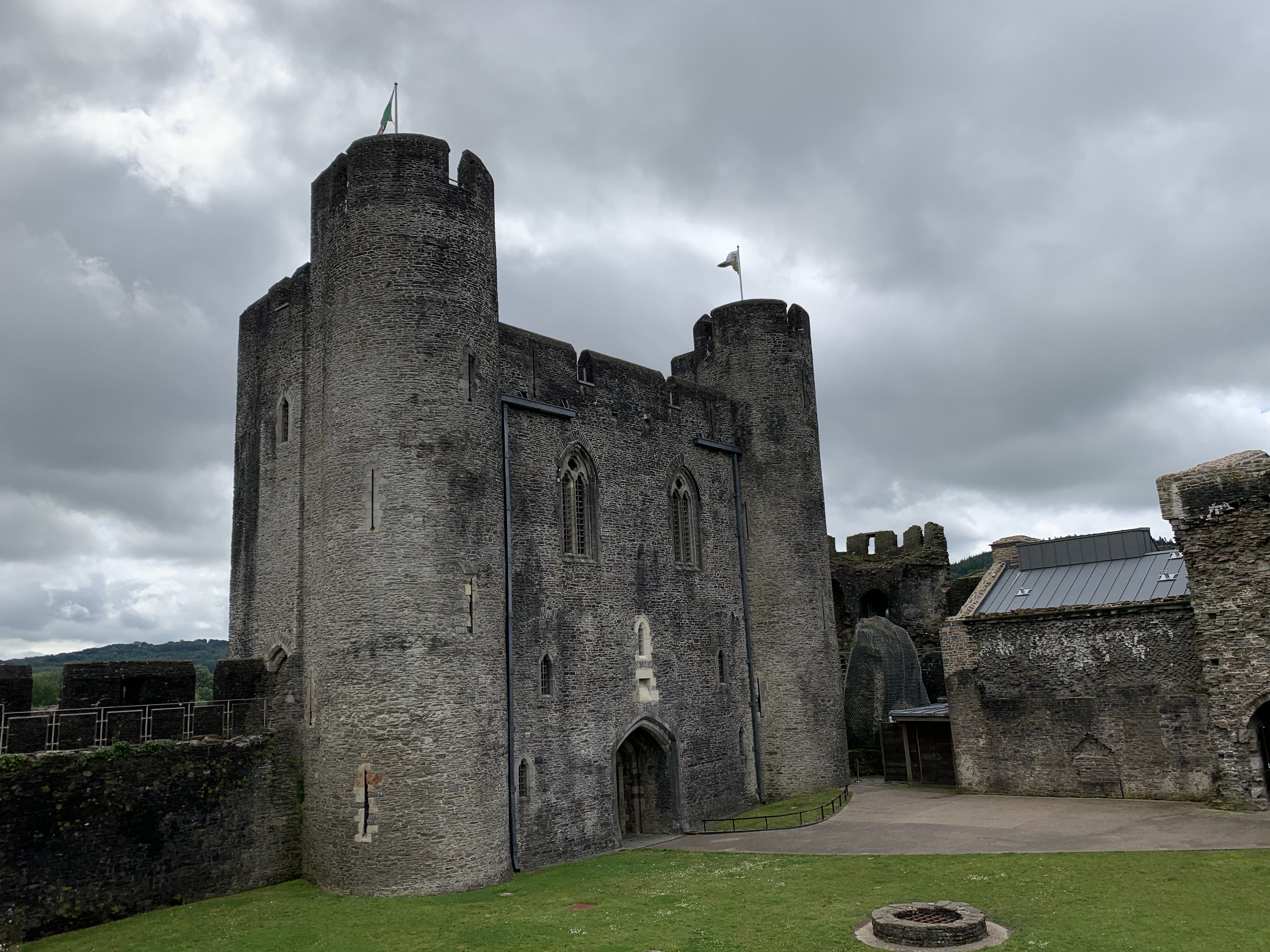
Siege–typically the preferred method to capture castles and fortified cities because commanders disliked spending troops in direct assaults.
Siege Ladders and Towers–if a commander decided upon a direct assault, attempts to get over a wall and to capture a gatehouse were common. During the Tiberian Civil War after the Collapse, a handful of knights reached the top of a tower near a gate, threw a rope down for their peers, and managed to capture (and open) a gate.
Undermining–in the longest sieges, miners could try to undermine and bring down a wall. The defenders often would dig their own tunnels to intercept the mining, and sometimes a brutal underground fight unfolded.
Speed of Strategic Maneuvers–An army with foot soldiers can move about 5 to 10 miles per day (allowing time for foraging); an army with ocean ships or river boats supplying it can move about 15 to 20 miles per day.