
My early interest in medieval history focused on warfare, battles, leaders, and rulers. The interest was a natural outgrowth of other interests in World War II, ancient Greece, the Roman republic and empire, and the Mongols.
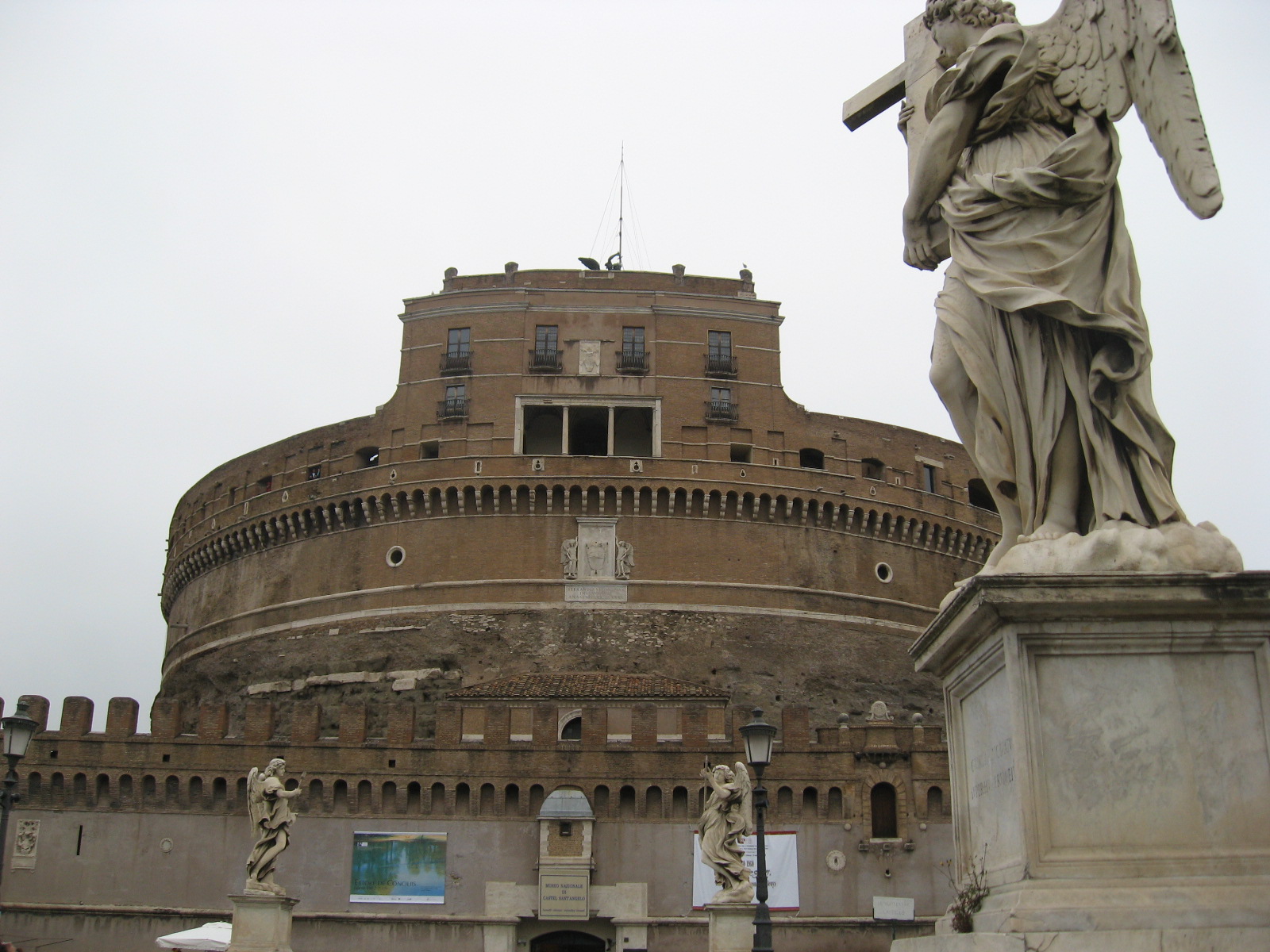
So during my opportunities to visit Europe, I had a list of sites I wanted to see. All of my European trips happened after the birth of digital photographs, so I have hundreds of pictures from each trip.
Now, I enjoy using my pictures to accompany my blog essays. I am an amateur at taking pictures, but I compensate for my lack of training with sheer enthusiasm. I take lots of photos, and then I delete all the ones I do not like.
In recent years, my interest has shifted its focus to medieval economic history and, in particular, specific industries and trades. The problem is, almost all of my pictures are wrong for that interest.
Lately, I read books about the medieval salt industry, or the wine trade, or tin mining, and I babble interesting (to me) facts into the ears of my wife and young daughter when I have them trapped inside a car on a long drive. Truly, I suspect my family members think to themselves, life is suffering.
I am not suffering. After all, John Hatcher’s English Tin Production and Trade before 1550 (1973) is loaded with interesting and useful facts. Pewter is “at least four parts tin to one of lead” (1), for example, and bronze is “10 per cent tin to 90 per cent copper” (8). The smelters would shape tin into rectangular “blocks” (~200 to 300 pounds each) or “slabs” (~100 to 150 pounds). Small bars or rods were “pocket tin” (6). And on and on into prices, tax rates, and trade routes.
I use some of this learning directly and indirectly in the fiction I’m working on. Maybe most readers are, to put the point mildly, less obsessed with such details than I am. Truly, they may think, as my family may think, I do not think these facts are as interesting as you think they are.
Onward into the economic minutiae of history! After I finish this book about tin, I am going to read a book about Margery Kirkbride James’s work on the medieval wine trade (Elspeth M. Veale, ed., Studies in the Medieval Wine Trade (1971).
But my picture collection is badly misaligned for my current interests. I hope to return to Europe sometime this year to improve my collections. I’ll start with photos of spoons, cups, and other tableware in museums, castles, and wherever such medieval products might be hiding.


Leave a Reply