The prominent place of religion in daily life and in political spheres is often hard for some modern readers to fully comprehend.
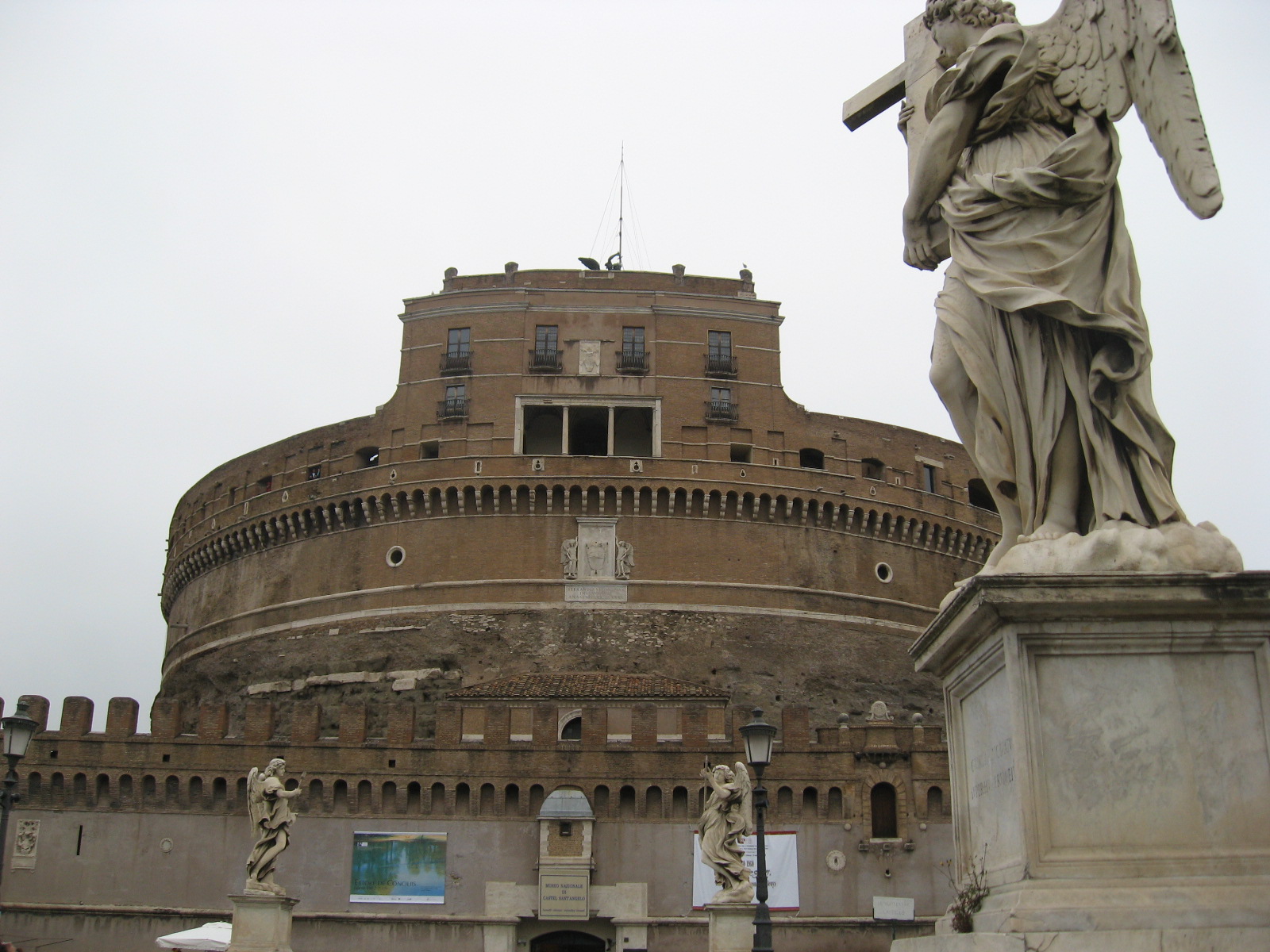
Christian churches and orders, for example, held a lot of property (apparently close to a third or more in some kingdoms), the military orders held numerous castles, fortresses, and towers, and clergy often served as royal officials or tutors to young nobles.
A writer of medievalist fantasy or medievalist fiction should not overlook the dramatic possibilities inherent in such a reality.* High clergy and monasteries controlled a lot of property and had a lot of tenants, and so they inevitably were frequently embroiled in legal proceedings over property and money. Accusations of various corruptions eventually resulted in the destruction of the Templar Order and the confiscation of almost all monastery properties in England, for example.
In addition, the Western Church observed many holy days, feast days, and festivals.** According to Singman and McLean, every month of the calendar year had at least two major feast days. December had five feast days. Such days often included work holidays, and they frequently brought large groups of people together in church yards or manor halls who might not normally interact much on typical days.
Nobles were expected to be reasonably generous with food and drink on these days, and on some of them, transactions involving rents and other dues unfolded once per quarter. Miserly behavior on such days could damage nobles’ reputations or weaken their hold over the local population. Various entertainments and games often took place, too.
* See any of the good medieval mystery writers for how to make use of the real life cycles of people.
**See Chapter 4, “Cycles of Time,” in Singman and McLean’s Daily Life in Chaucer’s England for a fantastic summary of how the days and months unfolded for people in Western Europe.


Leave a Reply